


 New Code Sent!

Convection bake vs. bake: What’s the difference?
The main difference between bake and convection bake is in how heat is distributed. With convection bake, an air circulation system distributes air inside the oven cavity. With a conventional oven, two heating elements heat air inside the cavity without the use of a fan to circulate the hot air.
Depending on the model, some convection ovens utilize a third heating element in addition to the fan, called true convection, that can help some foods cook faster than traditional thermal bake settings.
Understanding how different baking cycles work and when to use them can help you achieve the ideal cooking environment for different dishes. Read on to compare convection vs. regular bake and learn when to use convection bake for your recipe.

What is convection bake?
Convection bake uses an oven fan to help evenly distribute hot air throughout the oven cavity to help remove excess moisture from the surface of foods and help ensure consistent results across dishes when cooking on multiple racks. Some models also offer true convection, which adds a third heating element behind the fan to help the oven maintain more consistent temperatures throughout the cooking process.
How does a convection oven work?
Convection ovens work by using a fan and exhaust system to circulate air distributed from the heating element throughout the oven cavity. On most convection oven models, convection settings can be turned on or off, giving you the flexibility to cook with conventional thermal settings when you like.
Some convection ovens, like this True Convection range model from KitchenAid brand, feature a third heating element that can help foods cook faster compared to its traditional thermal-bake cycle.
Unlike convection bake, regular bake cycles allow the oven to operate like a conventional, thermal oven. Conventional ovens lack the air distribution system used by convection ovens and instead use heating elements on the top and bottom.
What is convection bake used for?
Convection bake is best used for recipes that could benefit from the even heat distribution of hot air circulated throughout the oven via the fan and exhaust system. This heating method makes convection baking particularly useful for baking multiple batches of cookies or dishes on multiple racks.
When you use convection baking settings, you can elevate your roasted meals by achieving crispy, flavorful skins on meats or delicious caramelization on vegetables.
Shop all KitchenAid® Ovens with convection settings
Convection settings can help deliver even cooking results across multiple racks. Some models, like this gas range from KitchenAid brand, feature Convection Cooking Modes that help you get consistent results with optimal heating temperatures, while models like this single wall oven from KitchenAid brand offer Even-Heat™ True Convection.
What is regular bake?
Regular (or conventional) bake uses two heating elements, one at the top and one at the bottom of the oven cavity, to heat the air inside without the use of a fan to circulate it. As a slower cooking method, this can help enhance flavor in a variety of foods. While many items bake at 350°F, bake temperatures can range from 170°F to 550°F, depending on the recipe and model.
The bake setting can be used on both conventional and convection ovens, so you won’t miss out on traditional settings if you opt for a convection oven.
What is regular bake used for?
The bake setting is best for unstructured foods that require slow cooking. The lower temperatures can help the food slowly build structure while retaining moisture. Use the bake setting for sweets like cakes and for foods like casseroles or thicker-cut pieces of poultry or pork.


Convection bake vs. bake comparison
Learn more about the differences in temperatures, baking times and results of convection bake vs. conventional bake in the chart below.
| Convection bake | Conventional bake | |
|---|---|---|
| Heat circulation | Uses a fan (and exhaust system) to circulate hot air from the heating element throughout the oven cavity | Uses two heating elements to heat the air, without a fan to circulate it |
| Typical temperature adjustment | Some models automatically lower the set temperature, e.g., a 350°F setting may convert to 325°F | No conversion; the set temperature is used as entered |
| Baking time | Can cook foods faster than a conventional bake cycle | Standard/baseline baking time |
| Browning | Promotes crispy, browned results | Gently browns surface |
| Surface moisture | Helps remove excess moisture from the surface of foods | Often good at helping baked goods retain their moisture |
| Multiple-rack cooking | Generally consistent results across dishes when cooking on multiple racks | May result in hot or cold spots across multiple racks |

When to use convection bake vs. bake
In addition to even baking across multiple racks, convection bake settings can help you achieve the ideal environment for cooking specific recipes. Convection settings can fulfill most baking needs and can be used to cook a wide range of foods, including meats, vegetables, casseroles, cookies, pies and more.
Use convection bake to achieve light and flaky baked goods or cook through layered casseroles and pasta bakes. You can also use convection baking to provide the dry environment needed to start experimenting with recipes involving dehydrated or toasted ingredients.
Certain baked goods, however, are often better cooked using conventional oven settings. Avoid convection baking foods like cakes, quick breads, custards, and other delicate desserts and pastries that benefit from the still air of a conventional oven.

Convection bake vs. regular bake: Key considerations
The main differences between convection bake and regular bake are the cooking speed, temperature and heat distribution and the end result. Convection baking is often faster and provides a more consistent bake across multiple racks. Regular bake is often preferred for cakes, breads and other delicate desserts due to the slower, stiller baking process.
If you’re looking for crispy and browned results, you may want to choose convection baking. Keep reading to learn more about key considerations around convection bake vs. regular bake.
1. Cooking speed
Because of the radiant heat produced by conventional oven heating elements, dishes may cook faster or slower depending on their location inside the oven. With a convection oven, the circulated air throughout the oven cavity helps deliver consistent heating to dishes across multiple racks, which is why many foods can be cooked for a shorter time (or at a lower temperature) in a convection oven than in a conventional oven.
Convection baking may help reduce the likelihood of hot or cold spots in your dishes across multiple racks. As a result, your food may cook faster without the need to rotate dishes or adjust cook times to accommodate uneven heat distribution of regular bake cycles.
When using a convection oven to bake, be sure to check your dishes earlier than what the recipe may say. Begin checking your dishes when 20% to 25% of the baking time is remaining.
For example, if you’re baking a pie for an hour, try checking 12 to 15 minutes early, or check one hour early if baking a big roast or turkey that calls for a four-hour cook time. To check whether your dish is done, consider using a food thermometer to measure its internal temperature. An oven thermometer only tells you how accurately your oven is holding its set temperature, not whether the food inside has finished cooking.
2. Temperature & heat distribution
Because convection ovens often bake foods faster than conventional ovens, you may want to adjust the temperature when baking. A good rule of thumb is to reduce the baking temperature by 25°F. For example, a recipe calling for 350°F on regular bake may need to be set to 325°F for convection baking.
Some ovens may adjust the temperature automatically: You enter the standard recipe temperature, and the oven’s convection conversion feature displays the adjusted cook temperature and time for you. Because this feature and its exact adjustment can vary by model, and recipes themselves vary, it's still a good idea to check your food for doneness as it approaches the end of its cook time, rather than relying on temperature or time alone. Read your appliance’s owner’s manual to ensure you are setting the proper temperature for your recipe.
Regular bake may require specific pan placement or rotation to help ensure that foods are evenly baked. With convection baking, you do not need to rotate your dishes from rack to rack or worry about hot or cold spots in your oven.
3. Baking results
Convection baking's circulating air helps crisp and brown the surface of food while sealing in moisture, which is why it tends to work well for multiple batches of cookies, flavorful skins on meats or delicious caramelization on vegetables. It can also help evenly bake multiple dishes at once or layered pasta dishes.
Conventional baking, without a fan moving air around the cavity, browns more gently and is a slower process best used for unsolidified foods, like batter or dough. It gently browns the surface of what you’re baking while solidifying the interior.

Bake or convection bake: Which setting to use for different foods
Choosing between bake or convection bake when baking can help you achieve specific results and depends on your personal cooking preferences. You can use convection baking for an even heat distribution across multiple racks and browning or caramelization on dishes, like meats, vegetables and pastas.
Conventional baking is often recommended for cakes and certain moist breads. Keep reading to learn more about what setting to use for different types of dishes.
Pizza
The baking and heat distribution of a convection oven provides the ideal environment for making a variety of dishes, including homemade pizza and oven-baked ribs. With convection baking, hot air is delivered to each area of the pizza for even cooking across multiple racks.
On most conventional ovens, heat is usually distributed by the bottom heating element, leaving the crust without targeted heat. With convection baking, you may achieve a crispier crust thanks to the circulated hot air inside the oven cavity.
The bottom crust specifically is also shaped by what's underneath the dough and where it sits in the oven: A preheated pizza stone or steel placed on the middle rack helps draw out moisture and deliver more direct heat to the base, while a baking sheet often produces a softer, chewier crust by comparison. Experiment with the many cooking possibilities of convection bake for other homemade recipes like baked desserts or golden, fluffy loaves of sourdough bread.
Bread
Conventional baking is ideal for many breads, especially those with higher fat content that need to retain moisture. For sourdough specifically, the still air of a conventional bake setting is often preferred, since it allows the dough to rise undisturbed. The dry, circulating heat of convection baking is good for other types of bread because of the crust and browning that it can create. Depending on the results you want, and the type of bread you’re making, follow your specific recipe’s guidance, since the ideal setting can vary by loaf type.
Cakes and delicate batters
It’s often recommended to use a conventional oven when baking cakes. The blown air of convection ovens may disturb delicate bakes or liquid mixtures and may contribute to lopsided results in foods like cake, souffles, custards and flans, while conventional ovens are often better at helping baked goods retain the moisture necessary in many recipes.
Cookies and brownies
Convection baking can help produce a more even bake on cookies across multiple racks and can allow you to bake two sheets at once. If you opt for a conventional oven, it's recommended to only bake one sheet at a time for the best results.
Like cookies, using convection baking for brownies can help create a more even heat distribution across multiple racks without needing to rotate your dish. However, brownies may dry out faster when using convection bake. So the setting choice comes down to which result matters more for your recipe: If a moist, fudgy brownie is the goal, regular bake helps preserve that moisture, even though convection would still bake multiple pans more evenly.
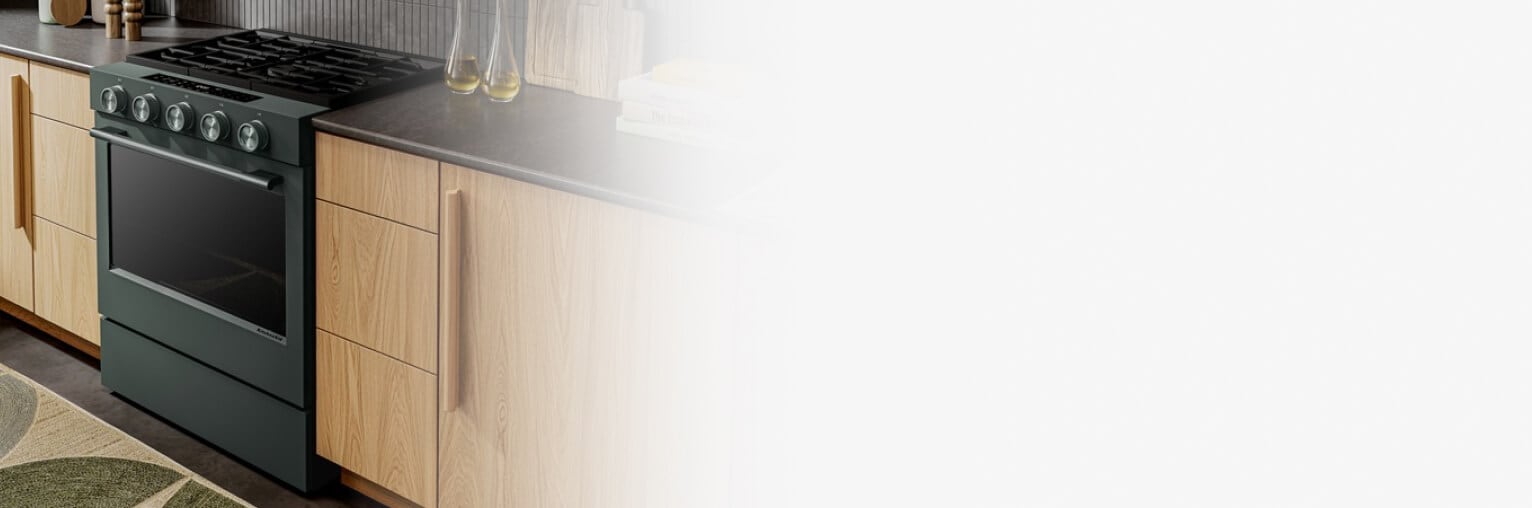
KitchenAid® ranges
A range for every kitchen
Explore slide-in and freestanding ranges crafted for performance and style to help you create your favorite recipes
Convection bake vs. bake FAQs
If you’ve still got questions about what style of baking is right for your needs, keep reading for answers to common questions about convection vs. conventional bake.
Yes. As with regular bake, it is recommended to preheat the oven before using convection bake. Convection ovens also tend to preheat faster than traditional gas or electric ovens, so keep an eye on your timing.
Yes. One of the main benefits of a convection oven is the circulation of hot air for even results across multiple racks. To take advantage of that, low-sided or perforated pans and dishes are recommended for better exposure to the heated air. Conversely, a tightly covered dish blocks that airflow, so it may cook closer to how it would in a conventional oven.
Yes, oven-safe cookware works in a convection oven or on the convection setting, including heatproof glass, glass ceramic, Pyrex and metal baking pans.
No. A convection oven’s fan helps move heat around the oven and your dishes, delivering more consistent results when you need to cook on multiple racks, so rack position often matters less than it does with conventional baking.
Shop KitchenAid® Ranges and Wall Ovens
KitchenAid® Ranges and Wall Ovens with Even-Heat™ True Convection combine powerful convection cooking technology with intuitive design to help you achieve consistently delicious results.


Your subscription was successful
Thank you for signing up. Keep an eye on your inbox for our next newsletter.
Stay Connected – Join the List
Enjoy articles like this? Get helpful guides and appliance care tips sent straight to your inbox.

