


When comparing fully automatic vs. semi-automatic espresso machines, the biggest difference usually comes down to control versus convenience. Semi-automatic espresso machines keep more of the espresso-making process in your hands, while fully automatic models streamline grinding, brewing and milk preparation through built-in systems and guided settings.
The right choice depends on how you like to make coffee at home. A semi-automatic machine may appeal to espresso drinkers who enjoy the barista-style ritual of grinding, tamping, pulling a shot and texturing milk. A fully automatic machine often works well for busy mornings, multi-user households and anyone who wants repeatable espresso drinks with fewer manual steps.
Use this guide to compare how each machine works, which routines they commonly suit best, what maintenance looks like and how to choose an espresso machine that fits your kitchen and coffee habits.
Fully automatic vs. semi-automatic espresso machines
Fully automatic vs. semi-automatic espresso machines
How to choose an espresso machine
Start by thinking about how involved you want to be in the coffee-making process each day. A semi-automatic espresso machine gives you more hands-on control over grinding, tamping, extraction and milk frothing. A fully automatic espresso machine streamlines many of those steps through built-in grinders, guided drink settings and automatic brewing workflows.
If you enjoy experimenting with flavor, milk texture and espresso extraction, a semi-automatic machine may appeal more to your style. If you want repeatable drinks with less effort before work or throughout fast-moving mornings, a fully automatic model often suits that routine better.
What fully automatic and semi-automatic machines actually automate
Both machine types brew espresso under pressure, but they automate different parts of the process. Semi-automatic models keep more prep and finishing steps manual, while fully automatic models bring grinding, brewing and drink customization into one guided system.
Task | Semi-Automatic | Fully Automatic |
Grinding | You grind beans separately or use a built-in grinder on select models | Built-in burr grinder handles grinding |
Dosing | You measure and fill the portafilter by hand, or use dosing support on select models | Machine doses the grounds for you |
Tamping | You tamp the grounds manually | Machine compresses the grounds automatically |
Brewing/Extraction | Machine controls pump pressure; you start and stop the shot | Machine manages the extraction cycle |
Milk frothing | You texture milk with a steam wand, or use an automatic milk frother attachment on select models | Select models froth, steam or heat milk automatically |
Drink programs | Few or no drink programs; more manual control | Personalized drink programs at the touch of a button, on select models |
Drink settings | You adjust variables manually as you brew | Select models let you save brew strength, temperature, coffee volume and milk volume |
“Automatic,” “fully automatic” and “super automatic” terminology are sometimes used interchangeably. In general, an automatic espresso machine handles brewing once the shot begins, while a fully automatic or super-automatic machine typically automates more of the bean-to-cup process.
For a broader breakdown, explore this guide to types of espresso machines.
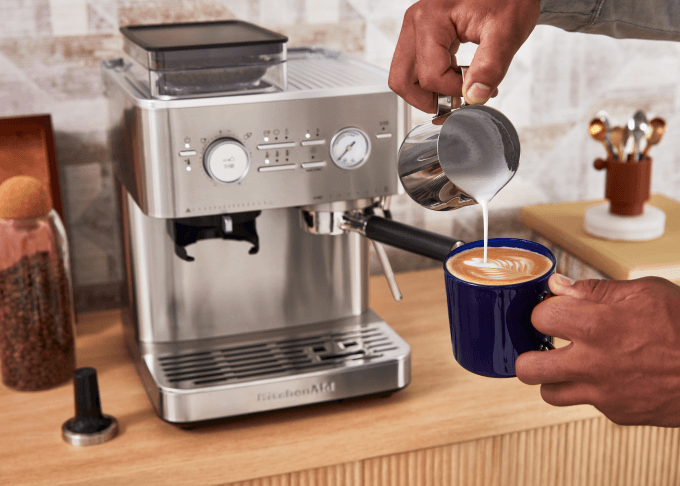
Choosing based on drink customization and repeatability
Semi-automatic espresso machines offer more room to experiment, while fully automatic models make it easier to repeat favorite drinks with less guesswork. The right choice depends on whether you want to fine-tune each cup or save preferences for a more consistent routine.
Semi-automatic espresso machines may be a good fit if you:
Want more hands-on control over grind size, dose, tamping, shot timing and milk texture
Enjoy experimenting with espresso flavor, strength and texture from one drink to the next
Like the process of learning how small adjustments affect the final cup
Prefer a more traditional, barista-style espresso routine
Fully automatic espresso machines may be a good fit if you:
Want repeatable drinks with less manual adjustment
Prefer guided settings for strength, body, temperature, coffee volume or milk volume
Like the idea of saving favorite drink preferences for future use
Want different household members to prepare drinks more consistently
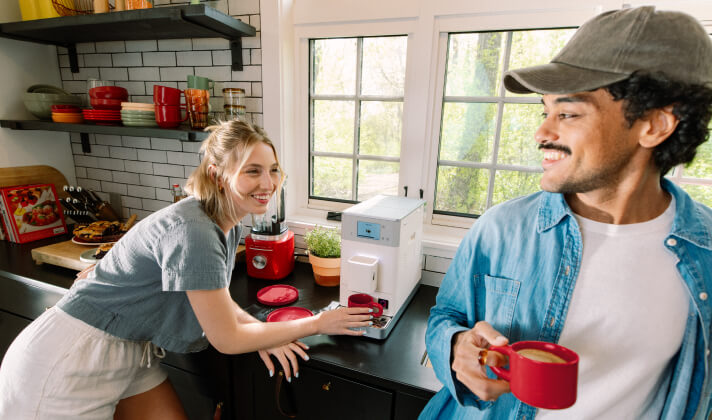
Choosing based on your household and coffee habits
Your daily routine matters just as much as drink preference. Semi-automatic machines often suit slower, hands-on coffee rituals, while fully automatic models work well for rushed mornings, multi-user households and back-to-back drinks.
Semi-automatic espresso machines may be a good fit if you:
Usually make one or two drinks at a time
Enjoy a slower morning or weekend coffee ritual
Want to practice steaming or frothing milk by hand
Prefer more control when making espresso, lattes, cappuccinos or flat whites
Like being closely involved in each step of the brewing process
Fully automatic espresso machines may be a good fit if you:
Want faster drinks during busy mornings
Make multiple drinks back-to-back for your household or guests
Have several people who prefer different drink strengths, volumes or milk styles
Want drink options or saved preferences that can be selected at the touch of a button
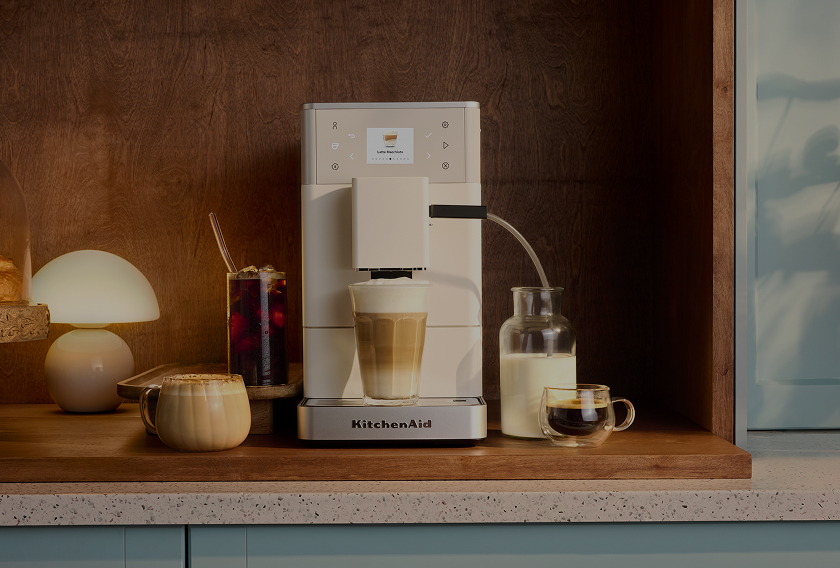
Choosing based on your available countertop space
Countertop space can influence which espresso machine feels most practical. Think about how much room you have for the machine itself, plus any accessories, milk containers, cups, beans or a separate grinder. It’s also worth considering whether you want your espresso setup to support only espresso drinks or a wider range of coffee routines.
Semi-automatic espresso machines may be a good fit if you:
Have room for a more hands-on setup with accessories like a tamper, milk pitcher and portafilter
Prefer using a separate grinder for more control over grind size and coffee preparation
Want the flexibility to build your espresso setup over time
Choose a model with a built-in grinder to reduce the need for a separate appliance
Plan to use another brewing method for regular coffee, such as a drip coffee maker or French press
Fully automatic espresso machines may be a good fit if you:
Want grinding, brewing and drink preparation combined in one appliance
Prefer a more streamlined countertop setup with fewer separate tools
Want one machine that can prepare espresso drinks, coffee-style drinks, milk drinks or iced coffee drinks
Are looking for compact fully automatic options that support everyday coffee routines while making the most of available counter space
The KitchenAid® KF2, KF3 and KF4 Fully Automatic Espresso Machines with Iced Coffee are designed with compact, space-saving footprints to help make the most of available countertop space.
Shop KitchenAid® fully automatic espresso machines
KitchenAid® fully automatic espresso machines bring grinding, brewing and drink customization into one streamlined appliance, helping you move from whole beans to personalized espresso drinks with fewer manual steps. Depending on the model, you can explore a range of drink options, including up to 40+ recipes that can be selected at the touch of a button.
Select models offer features like saved drink preferences, automatic milk systems and iced coffee capabilities, making it easier to create hot espresso drinks, milk-based favorites and cold coffee drinks at home. KitchenAid® fully automatic espresso machines are also designed to support quieter coffee routines with Quiet Mark certified grinding technology, while compact models with iced coffee capabilities help maximize counter space without limiting your drink options.
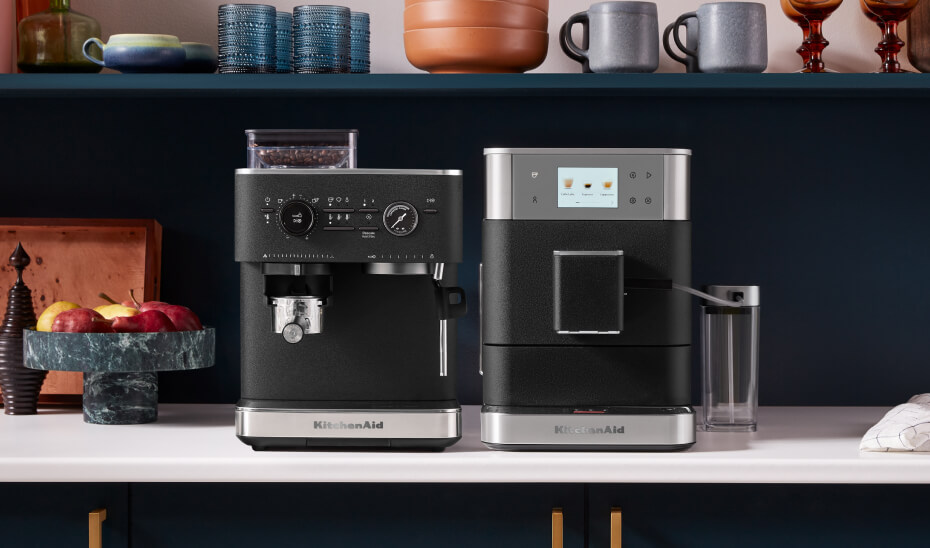
Which espresso machine matches your coffee routine?
Semi-automatic machines are often a good fit for skill-building and experimentation. Fully automatic machines are often better for quick drinks, saved preferences and routines where several people want consistent espresso drinks with less manual effort.
The easiest way to narrow the decision is to picture your actual mornings. Think about how much time you want to spend making coffee, how many drinks you typically prepare and whether you enjoy the hands-on ritual or prefer a faster workflow.
For espresso enthusiasts: A semi-automatic machine gives you more control over grind size, tamping, extraction and milk texture.
For busy weekday routines: A fully automatic machine can simplify drink preparation with built-in grinding and guided brewing.
For multi-user households: Fully automatic models with saved settings or profiles can make it easier for different people to repeat their favorite drinks.
For milk-drink fans: Compare steam wands, automatic milk frothing and milk-system features based on how involved you want to be.
For iced coffee drinkers: Select fully automatic models with iced coffee settings can make cold coffee drinks part of the same at-home routine.
To compare specific KitchenAid® models, explore: Which KitchenAid® espresso machine is right for me?

Semi-automatic workflow from beans to cup
A semi-automatic espresso machine keeps the bean-to-cup process more manual. You grind, dose, tamp, pull the shot and steam the milk, which creates a barista-style experience with more room to practice and refine your technique.
With a semi-automatic espresso machine, a typical routine looks like this:
Grind the beans
Fill the portafilter
Tamp the grounds
Lock the portafilter into place
Pull the espresso shot
Steam and texture the milk, if making a milk-based drink
Pour the espresso or build the finished drink in your cup
Grinding your own beans right before pulling a shot can make a noticeable difference in freshness and aroma. From there, small adjustments to grind size, dose and tamping can change how the espresso extracts. This learning curve is part of the appeal for many espresso enthusiasts because each drink gives you another chance to refine the process.
For a step-by-step look at the espresso-making process, explore this guide on how to use an espresso machine. You can also learn more about how to grind coffee beans to match your preferred brewing method.
Fully automatic workflow from beans to cup
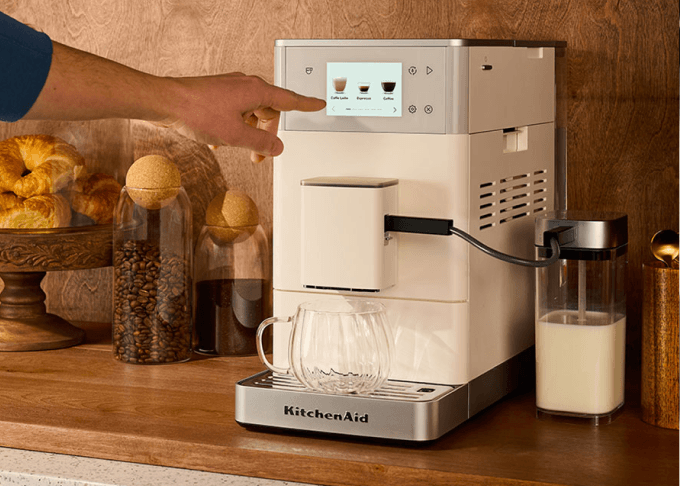
A fully automatic espresso machine simplifies much of the brewing process for you. Many models grind, dose and brew automatically while still allowing drink customization through settings and saved profiles.
With a fully automatic espresso machine, a typical routine may look like this:
Select your drink from the machine’s menu or controls
Adjust settings like strength, body, temperature or drink volume as needed
Attach your milk container to the milk system as needed for milk-based drinks
Place your cup under the dispenser
Start the drink and let the machine handle grinding, dosing and brewing, with milk heating or frothing completed automatically on compatible models
Depending on the model, you may be able to:
adjust grind settings
adjust brew strength and body
control coffee temperature
customize coffee volume
customize milk volume
save favorite drink combinations
brew espresso drinks at the touch of a button
prepare hot or iced coffee drinks
This kind of setup can be especially helpful when you want a cappuccino before work, an Americano after lunch or multiple drinks for guests without manually resetting each step. Select models also include touchscreens, display buttons or guided controls that let you choose a drink, adjust preferences and move through maintenance prompts more easily.
If you’re setting up a fully automatic machine for the first time, this guide on fully automatic espresso machine tips walks you through the basics.
Shop KitchenAid® semi-automatic espresso machines
KitchenAid® semi-automatic espresso machines are designed for hands-on espresso making, giving you more control over grinding, tamping, extraction and milk preparation. Features like a flat-base easy-tamp portafilter, built-in burr grinder or multi-angle steam wand are available on certain models to support a more confident espresso routine at home.
Explore the KitchenAid® semi-automatic espresso lineup to find a machine that fits your coffee style, countertop setup and preferred level of control.

What are the cleaning and maintenance differences?
Semi-automatic espresso machines involve more manual cleanup after each drink. Fully automatic machines still need regular care, but select models can simplify daily upkeep with rinse cycles, prompts and built-in containers for used grounds or water.
Both machine styles need ongoing maintenance to help preserve flavor, performance and consistency. The difference is how much of that care you manage by hand and how much the machine guides for you.
Daily cleanup tasks for each machine type
Semi-automatic machines usually require more hands-on cleanup after pulling shots and steaming milk. Fully automatic machines can make daily care feel lighter by containing more of the coffee path inside the appliance and guiding more of the process through prompts or indicator lights.
Semi-automatic espresso machine daily cleanup may include:
Emptying the portafilter and removing used grounds
Rinsing or wiping the basket after pulling a shot
Purging and wiping the steam wand after frothing milk
Clearing loose grounds from the grinder, portafilter or tamping area
Wiping the machine and surrounding workspace
Fully automatic espresso machine daily cleanup may include:
Emptying the used grounds container, drip tray or rinse water container as needed
Refilling the water tank or bean hopper when low
Following rinse prompts after brewing or milk preparation
Wiping the machine and surrounding counter
Ongoing maintenance and descaling needs
Beyond daily cleanup, both fully automatic and semi-automatic espresso machines need deeper maintenance to help manage mineral buildup, coffee oils and milk residue over time. Your exact routine will depend on your model, water hardness, drink habits and owner’s manual guidance.
Semi-automatic espresso machine ongoing maintenance may include:
Descaling the machine to remove mineral buildup from the water path
Cleaning the grinder to manage coffee oils and leftover grounds
Deep cleaning the portafilter, filter baskets and removable parts
Giving the steam wand a more thorough cleaning to remove milk residue
Fully automatic espresso machine ongoing maintenance may include:
Descaling the machine when prompted or according to your owner’s manual
Running deeper milk-system cleaning cycles
Cleaning removable brew components, trays or containers as directed
Replacing or maintaining the water filter when needed
Cleaning the bean hopper or grinder area according to model guidance
Following longer maintenance prompts for cleaning or system care
For more detailed care guidance, explore this guide to cleaning and descaling an espresso machine.
Espresso machine FAQs
These quick answers can help narrow the decision between fully automatic and semi-automatic espresso machines based on brewing style, maintenance preferences and day-to-day use.
Does a fully automatic espresso machine make real espresso?
Yes. A fully automatic espresso machine makes espresso by forcing hot water through finely ground coffee under pressure. The difference is that the machine handles more steps for you, such as grinding, dosing, brewing and milk preparation on select models.
Do fully automatic and semi-automatic machines use the same kind of coffee?
Yes. Fully automatic and semi-automatic espresso machines typically use whole coffee beans or ground coffee suited for espresso, depending on the model. Whole beans are common for machines with built-in grinders, while some semi-automatic setups use a separate grinder.
Roast style, freshness and grind size all influence the final cup. Learning about different types of coffee beans and how to store them can help you better match roast styles to your preferred espresso drinks.
Which type of espresso machine is best for beginners?
A fully automatic espresso machine is often easier for beginners because it simplifies grinding, dosing and brewing into a more guided process. A semi-automatic machine can also work for beginners who want to learn espresso skills gradually.
Choose fully automatic if you want a smoother start with fewer manual steps. Choose semi-automatic if you’re excited to practice tamping, shot timing and milk frothing.
How much manual input is required with a fully automatic espresso machine?
A fully automatic espresso machine usually requires light manual input, such as adding beans, filling the water tank, choosing drink settings and handling routine cleaning. The machine manages more of the espresso extraction process for you.
Depending on the model, you may also be able to adjust coffee volume, milk volume, body, strength, temperature and grind settings. Select models allow you to save preferences under user profiles or follow guided prompts so favorite drinks are easier to repeat.
How much skill is needed to use a semi-automatic espresso machine?
Semi-automatic espresso machines require more practice because you manage key steps manually, including grinding, dosing, tamping, extraction timing and milk frothing, depending on the model. That learning curve can be part of the appeal if you enjoy hands-on coffee making.
You don’t need to master everything at once. Start by learning how grind size, tamping and shot timing affect flavor, then practice milk texture as you become more comfortable.