

334 articles

How to make chocolate ice cream: recipe & tips
Chocolate ice cream starts with a rich chocolate base, then comes together through chilling, churning and freezing. With a KitchenAid® stand mixer and the Ice Cream Maker Attachment, sold separately, you can churn a chilled base into a soft, creamy frozen treat in less than 30 minutes. This guide walks through essential ingredients, chocolate type selection, Ice Cream Maker Attachment setup, churning cues, texture tips, add-ins and common substitutions so you can create homemade chocolate ice cream from start to finish.
READ
How to make ice cream: methods, recipes & tips
Your seasonal ice cream shop isn’t the only place you can find rich and creamy frozen desserts. When you learn how to make ice cream at home, you can choose your base, customize the flavor and decide whether you want soft-serve texture right away or a firmer scoop after extra time in the freezer. This guide walks through a homemade ice cream recipe, the core steps for mixing and churning, four different methods for making ice cream and flavor ideas to help you start creating your own frozen desserts.
READ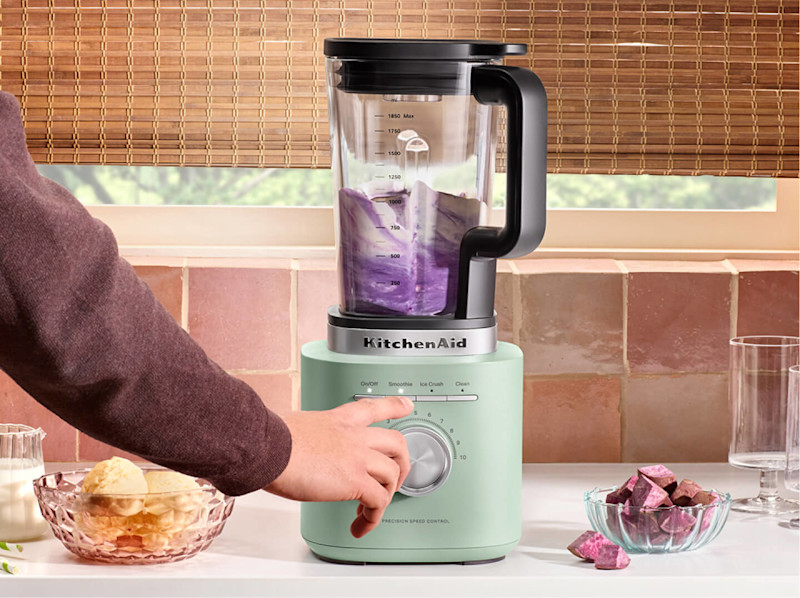
How to make ice cream in a blender
You can make homemade ice cream in a blender with a creamy base, sweetener and your favorite flavor ingredients before freezing the mixture into a scoopable dessert. A blender helps bring the ingredients together quickly, making it a simple way to create a frozen dessert with flavors, toppings and mix-ins you choose. Whether you’re scooping it into a bowl, layering it into sundaes or experimenting with dairy-free options, blender ice cream gives you a flexible starting point. Keep reading for a blender ice cream recipe, ingredient tips, texture guidance, dietary variations and other ways to make homemade ice cream.
READ
How to make vanilla ice cream: recipe and tips
Homemade vanilla ice cream starts with a simple dairy-and-egg custard base that churns into a cold, creamy dessert with help from your KitchenAid® stand mixer and compatible Ice Cream Maker Attachment, sold separately. Your stand mixer can support prep and churning, while the attachment helps transform a chilled base into a soft-serve texture before the ice cream firms in the freezer. This guide walks through how to make vanilla ice cream with a stand mixer, when to use the Ice Cream Maker Attachment and what to expect during chilling, churning and freezing. You’ll also find tips for adding mix-ins, troubleshooting texture and customizing a classic vanilla base.
READ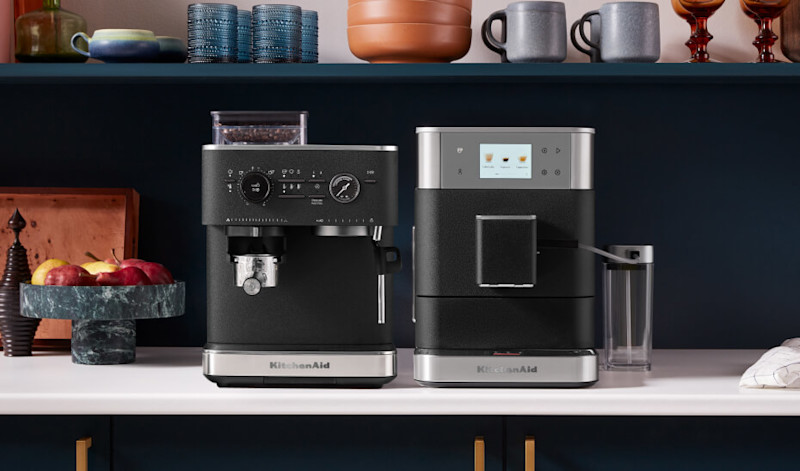
Which KitchenAid® espresso machine is right for me?
Choosing the right KitchenAid® espresso machine starts with how you like to make coffee at home. Some coffee lovers want freshly ground espresso drinks ready at the touch of a button, while others enjoy the hands-on ritual of grinding, tamping, brewing and steaming milk themselves. This guide compares KitchenAid® fully automatic and semi-automatic espresso machines so you can find the right fit for your drink style, daily routine, countertop space and preferred level of control. You’ll also find model-specific guidance for KitchenAid® KF2, KF3, KF4, KF6, KF7 and KF8 fully automatic espresso machines, plus semi-automatic options for aspiring home baristas.
READ
Fully automatic vs. semi-automatic espresso machines
When comparing fully automatic vs. semi-automatic espresso machines, the biggest difference usually comes down to control versus convenience. Semi-automatic espresso machines keep more of the espresso-making process in your hands, while fully automatic models streamline grinding, brewing and milk preparation through built-in systems and guided settings. The right choice depends on how you like to make coffee at home. A semi-automatic machine may appeal to espresso drinkers who enjoy the barista-style ritual of grinding, tamping, pulling a shot and texturing milk. A fully automatic machine often works well for busy mornings, multi-user households and anyone who wants repeatable espresso drinks with fewer manual steps. Use this guide to compare how each machine works, which routines they commonly suit best, what maintenance looks like and how to choose an espresso machine that fits your kitchen and coffee habits.
READ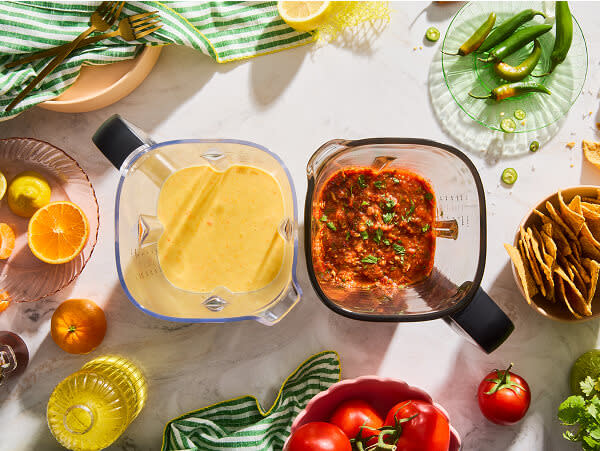
36 Blender recipes for smoothies, sauces & more
What can you make in a blender? Everything from smoothies, smoothie bowls and pancake batter to dips, dressings, sauces, pureed soups, milkshakes, frozen cocktails and fruit-based desserts. Whether you’re preparing a quick breakfast, a savory addition to dinner or a treat to share, these blender recipes offer inspiration for nearly every craving, occasion and season. Explore the categories below to discover new ways to put your blender to work throughout the day.
READ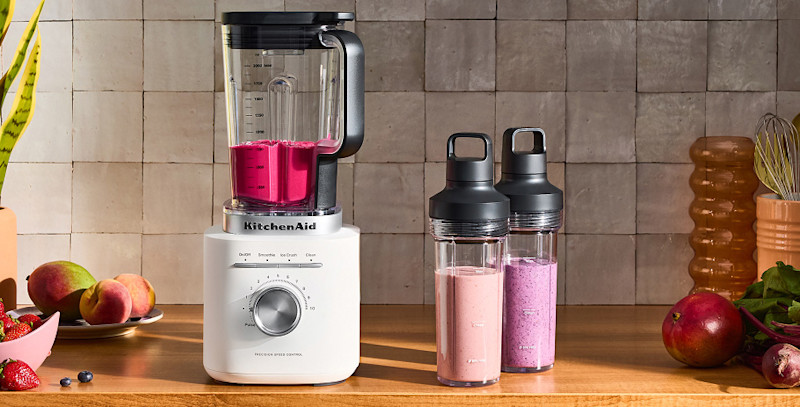
Best blender features for high performance
The best blender features for high performance include a strong motor, efficient blade and jar design, variable speed control, helpful presets, the right capacity and easy cleanup. Together, these features help a blender move ingredients smoothly through the jar and create consistent textures with ice, frozen fruit, fibrous greens, nuts, sauces and thick blends. The best blender for your kitchen depends on what you make most often. A daily smoothie routine may call for strong ice-crushing ability and a personal blending jar, while thicker recipes like smoothie bowls, hummus or nut butter may benefit from a tamper, precise speed control and a jar shape that keeps ingredients moving. Use this guide to compare the blender features that matter most and choose a model that fits the way you like to make.
READ
26 gifts for bakers in 2026
Bakers know the possibilities are endless for creativity in the kitchen. Cookies, biscuits, breads and cakes soon lead to pastries, pies, profiteroles and more. As baking explorations expand, bakers need specialty appliances and equipment to help turn creative visions into reality. If you're trying to find the perfect kitchen gift for baking enthusiasts, read on for gift ideas to help with everything from milling grains to sifting and measuring, prepping ingredients and, of course, mixing and baking. With a variety of colors and ways to personalize, a KitchenAid small appliance is a thoughtful and unique gift for any baker, no matter their skill level or style.
READ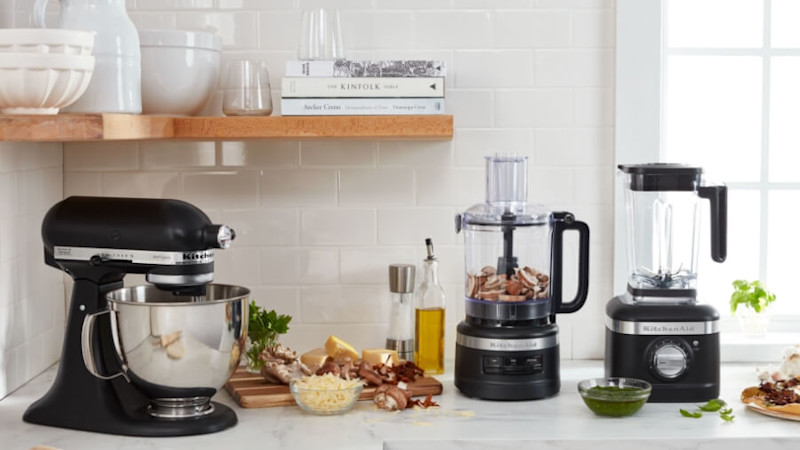
25 Kitchen gift ideas for 2026
Whether you’re shopping for a seasoned kitchen creator or someone just starting out, we’ve selected the best kitchen gift ideas that pair aesthetics with functionality. From wedding showers, to gifts for new parents, to housewarming parties, find the perfect kitchen gifts for friends and family with this buying guide.
READ
Espresso troubleshooting guide
Espresso troubleshooting starts with what you taste and see in the cup. Sour, bitter, burnt, watery or uneven espresso can usually be traced back to a few key variables: grind size, coffee dose, tamping, brew ratio, water, machine settings or cleaning. The best approach is to change one variable at a time. Start with the clearest clue—flavor, shot speed, crema or machine alert—then make a small adjustment and taste again. This helps you understand what changed and keeps you from overcorrecting. Use this guide to match common espresso problems to likely causes, quick fixes and everyday habits that support richer, smoother shots.
READ
How to steam milk for a latte: Tips for silky microfoam
To steam milk for a latte, start with cold milk, purge the steam wand, introduce a small amount of air near the surface and then submerge the wand slightly to create a smooth whirlpool. Stop steaming around 140–150°F, swirl the pitcher and pour immediately for glossy, velvety microfoam. Milk steaming is what transforms espresso into lattes, cappuccinos, flat whites and cozy drinks like hot chocolate. When the texture is right, the milk develops fine, integrated bubbles and a naturally sweet, creamy consistency that blends smoothly into espresso. This beginner-friendly guide focuses on using a steam wand, including the manual steam wands found on KitchenAid® semi-automatic espresso machines, where you control wand position, aeration and texturing. Once you understand these techniques and learn to recognize the right temperature and visual cues, steaming milk at home becomes much more intuitive.
READ