


Product insights
98 articles
Make the most out of your products with a selection of growing blogs about KitchenAid products. Need to understand how to maintain your mixers? Or understanding the difference between blenders and processors? We’ve got you covered here.
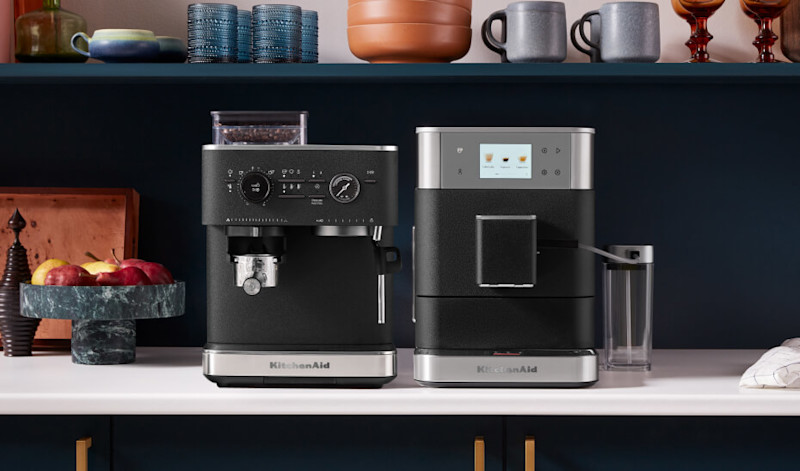
Which KitchenAid® espresso machine is right for me?
Choosing the right KitchenAid® espresso machine starts with how you like to make coffee at home. Some coffee lovers want freshly ground espresso drinks ready at the touch of a button, while others enjoy the hands-on ritual of grinding, tamping, brewing and steaming milk themselves. This guide compares KitchenAid® fully automatic and semi-automatic espresso machines so you can find the right fit for your drink style, daily routine, countertop space and preferred level of control. You’ll also find model-specific guidance for KitchenAid® KF2, KF3, KF4, KF6, KF7 and KF8 fully automatic espresso machines, plus semi-automatic options for aspiring home baristas.
CONTINUE READING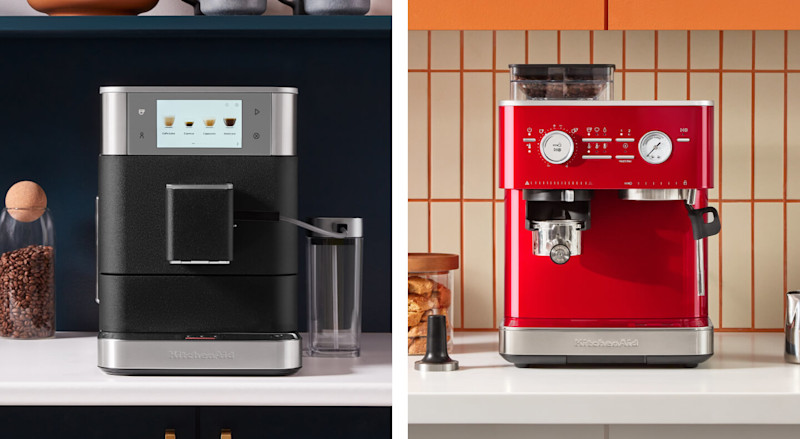
Fully automatic vs. semi-automatic espresso machines
When comparing fully automatic vs. semi-automatic espresso machines, the biggest difference usually comes down to control versus convenience. Semi-automatic espresso machines keep more of the espresso-making process in your hands, while fully automatic models streamline grinding, brewing and milk preparation through built-in systems and guided settings. The right choice depends on how you like to make coffee at home. A semi-automatic machine may appeal to espresso drinkers who enjoy the barista-style ritual of grinding, tamping, pulling a shot and texturing milk. A fully automatic machine often works well for busy mornings, multi-user households and anyone who wants repeatable espresso drinks with fewer manual steps. Use this guide to compare how each machine works, which routines they commonly suit best, what maintenance looks like and how to choose an espresso machine that fits your kitchen and coffee habits.
CONTINUE READING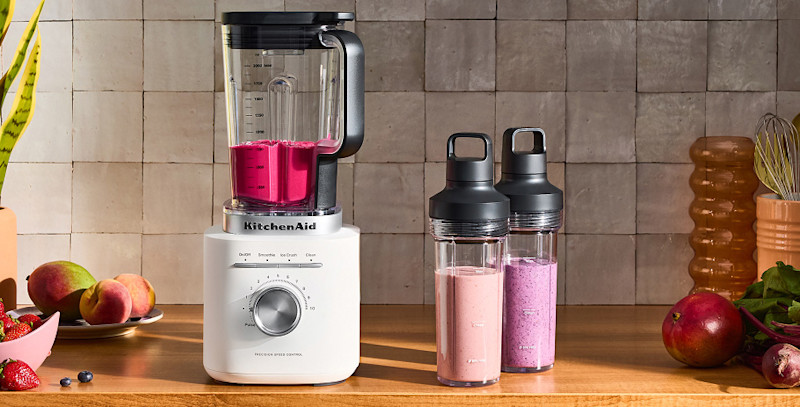
Best blender features for high performance
The best blender features for high performance include a strong motor, efficient blade and jar design, variable speed control, helpful presets, the right capacity and easy cleanup. Together, these features help a blender move ingredients smoothly through the jar and create consistent textures with ice, frozen fruit, fibrous greens, nuts, sauces and thick blends. The best blender for your kitchen depends on what you make most often. A daily smoothie routine may call for strong ice-crushing ability and a personal blending jar, while thicker recipes like smoothie bowls, hummus or nut butter may benefit from a tamper, precise speed control and a jar shape that keeps ingredients moving. Use this guide to compare the blender features that matter most and choose a model that fits the way you like to make.
CONTINUE READING
26 gifts for bakers in 2026
Bakers know the possibilities are endless for creativity in the kitchen. Cookies, biscuits, breads and cakes soon lead to pastries, pies, profiteroles and more. As baking explorations expand, bakers need specialty appliances and equipment to help turn creative visions into reality. If you're trying to find the perfect kitchen gift for baking enthusiasts, read on for gift ideas to help with everything from milling grains to sifting and measuring, prepping ingredients and, of course, mixing and baking. With a variety of colors and ways to personalize, a KitchenAid small appliance is a thoughtful and unique gift for any baker, no matter their skill level or style.
CONTINUE READING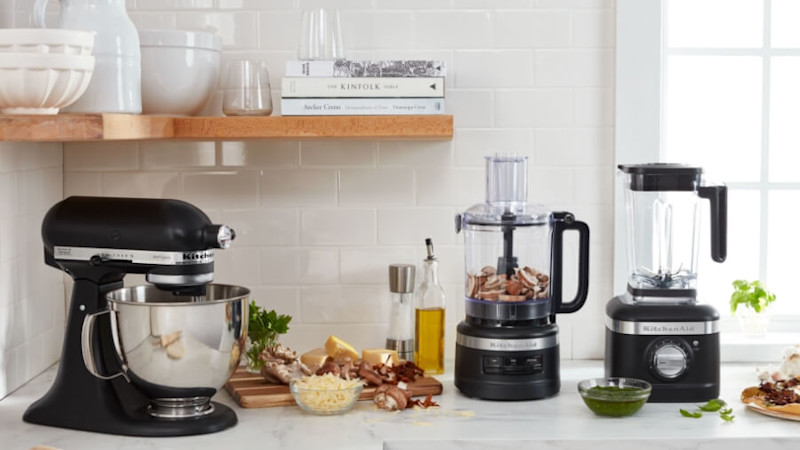
25 Kitchen gift ideas for 2026
Whether you’re shopping for a seasoned kitchen creator or someone just starting out, we’ve selected the best kitchen gift ideas that pair aesthetics with functionality. From wedding showers, to gifts for new parents, to housewarming parties, find the perfect kitchen gifts for friends and family with this buying guide.
CONTINUE READING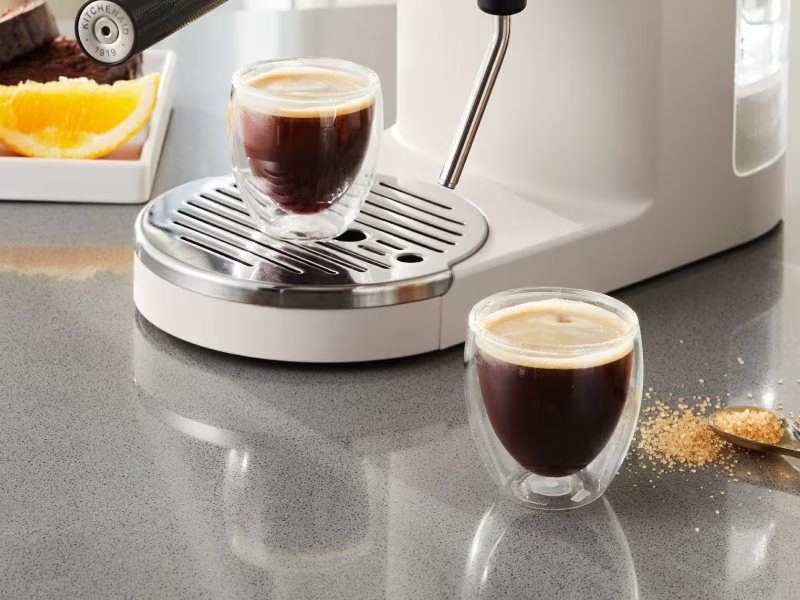
Espresso troubleshooting guide
Espresso troubleshooting starts with what you taste and see in the cup. Sour, bitter, burnt, watery or uneven espresso can usually be traced back to a few key variables: grind size, coffee dose, tamping, brew ratio, water, machine settings or cleaning. The best approach is to change one variable at a time. Start with the clearest clue—flavor, shot speed, crema or machine alert—then make a small adjustment and taste again. This helps you understand what changed and keeps you from overcorrecting. Use this guide to match common espresso problems to likely causes, quick fixes and everyday habits that support richer, smoother shots.
CONTINUE READING
Coffee grind size and settings guide
Coffee grind size ranges from very fine for espresso to coarse for French press and cold brew. The right setting depends on how water moves through the grounds, how long the coffee brews and the flavor, aroma and mouthfeel you want in the cup. A small grind adjustment can change extraction, flow and texture enough to shift coffee from sour or bitter to smooth and balanced. Visual cues, taste feedback and brew timing can all help you decide whether to grind finer, go coarser or keep your current setting. This guide explains how grind size affects extraction, which settings work best for popular brewing methods and how to fine-tune your grinder with more confidence—whether you’re dialing in espresso, adjusting drip coffee or refreshing your French press routine.
CONTINUE READING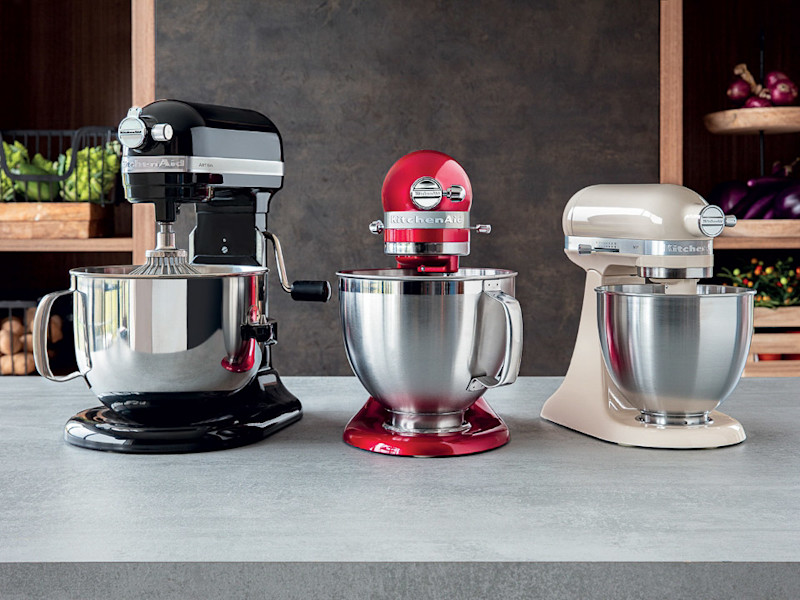
KitchenAid® mixer troubleshooting guide
Many common stand mixer concerns—like wobbling, shaking, slow mixing, scraping, unusual sounds or a mixer that stops mid-recipe—can often be traced to bowl placement, accessory fit, beater-to-bowl clearance, batch size or heavy mixing loads. This KitchenAid® mixer troubleshooting guide walks through quick checks, symptom-based tips and signs that it may be time to contact service. Start with a few simple setup checks, then move to the section that best matches what you’re noticing, from power and performance concerns to movement, adjustment, sounds, smells and long-term care.
CONTINUE READING
Best stand mixer for bread dough
The right stand mixer to tackle regular bread dough depends on how much dough you mix, what styles of bread you bake and how often you bake them. For frequent bread baking, larger bowl-lift stand mixers are often the best fit because they offer more capacity and stability for dense doughs, multiple loaves and longer kneading sessions, while tilt-head stand mixers work well for occasional bread bakers making single loaves, pizza dough, focaccia and other lighter bread routines. Read on to compare stand mixer styles, features and baking needs so you can find the right fit for your recipes and kitchen.
CONTINUE READING
Is a stand mixer worth it?
A stand mixer is worth it if you want to make mixing, kneading or whipping easier, whether you bake every week, prepare larger batches or want a versatile tool that can grow with your cooking routine. Which mixer is right for you comes down to your baking habits, the types of recipes you make and how much you make at one time. From kneading weekly bread dough to tackling holiday cookie batches, a stand mixer can simplify prep and streamline repetitive kitchen tasks. The right model depends on your cooking style, preferred batch size and the features that matter most to you. Read on to explore the benefits of owning a stand mixer, who may get the most value from one and what to know before buying.
CONTINUE READING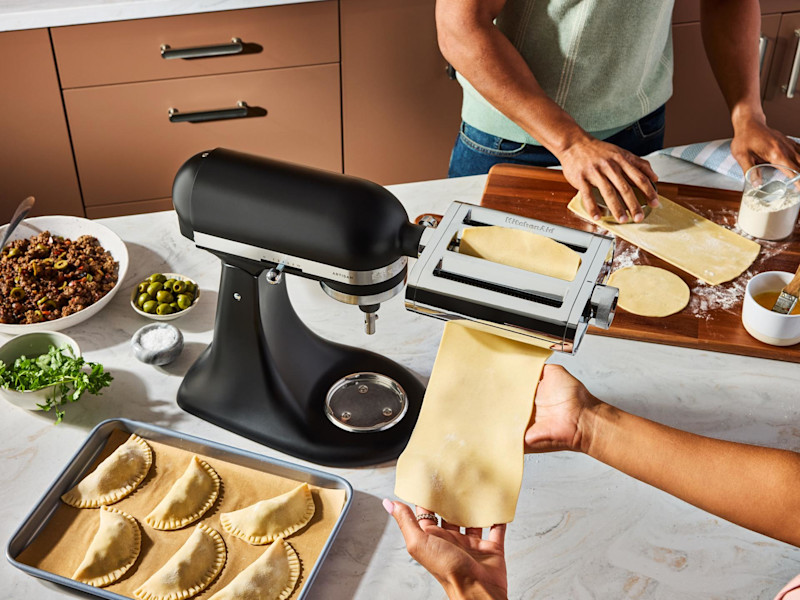
Types of pasta makers for home cooking
Fresh pasta can change the whole feel of dinner. Silky sheets for lasagna, tidy ribbons for fettuccine or pressed shapes ready to catch sauce. Each type of pasta maker handles dough a little differently, so the right fit depends on how often you make pasta, how much space you have and which shapes you want to put on the table. Use this guide to compare manual rollers, electric machines and stand mixer attachments, then explore types of pasta noodles to match your tool to the dish.
CONTINUE READING
Old vs. new KitchenAid® stand mixers
Stand mixers can earn a lasting place on your countertop through years of bread dough, birthday cakes and cookie batches. Newer models build on that legacy with updated features that help streamline prep, increase capacity and support the way you bake today. This guide compares older and current KitchenAid® stand mixer models across the features that matter most for everyday use—bowl capacity, attachments, durability, design updates and added conveniences—so you can decide whether to keep your current mixer or upgrade to a newer model.
CONTINUE READING