

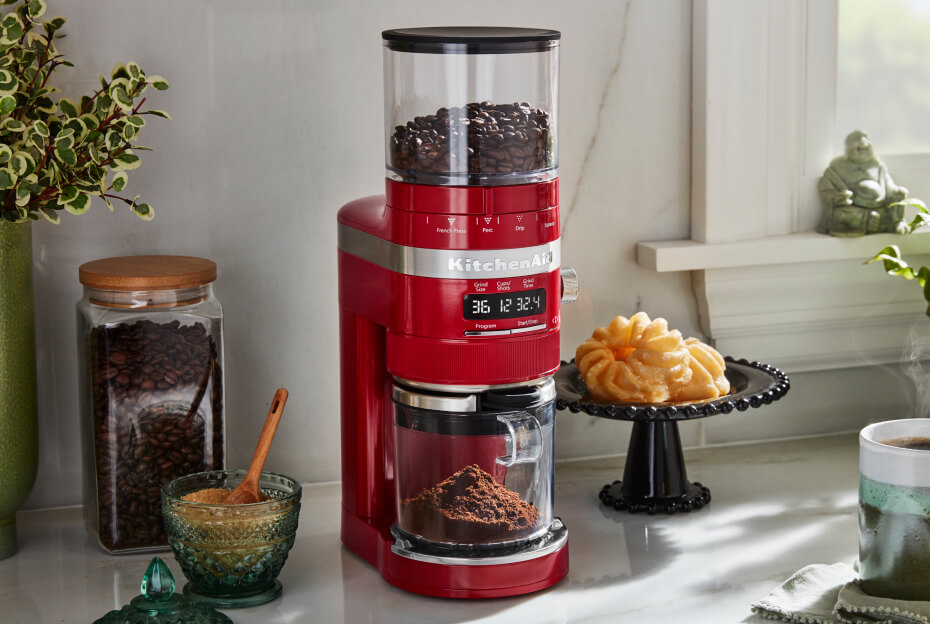
Coffee grind size ranges from very fine for espresso to coarse for French press and cold brew. The right setting depends on how water moves through the grounds, how long the coffee brews and the flavor, aroma and mouthfeel you want in the cup.
A small grind adjustment can change extraction, flow and texture enough to shift coffee from sour or bitter to smooth and balanced. Visual cues, taste feedback and brew timing can all help you decide whether to grind finer, go coarser or keep your current setting.
This guide explains how grind size affects extraction, which settings work best for popular brewing methods and how to fine-tune your grinder with more confidence—whether you’re dialing in espresso, adjusting drip coffee or refreshing your French press routine.
Coffee grind size and settings guide
Coffee grind size and settings guide
Why does coffee grind size matter?
Coffee grind size matters because it controls how quickly water extracts flavor from the grounds. Finer grounds extract faster and slow water flow, while coarser grounds extract more slowly and allow water to move through more easily.
That’s why grind size should match the brew method. Espresso machines, drip coffee makers, pour-over brewers and French presses all use different combinations of pressure, contact time and filtration. When the grind and brew method work together, it becomes easier to create coffee that tastes rounded, clean and balanced.
How grind size changes extraction
Grind size affects extraction by changing how much surface area touches the water. Finer particles expose more surface area, which can intensify flavor and body, while larger particles create less contact and extract more gradually.
If the grind is too fine, coffee can become bitter, heavy or harsh. If it’s too coarse, the cup may taste sharp, sour, weak or underdeveloped. Small adjustments can bring out more clarity, soften acidity or create a fuller mouthfeel depending on your brew method and beans.
What happens when coffee is ground too fine or too coarse?
Coffee that’s ground too fine can brew slowly and over-extract, creating bitter, harsh or overly heavy flavors. Coffee that’s too coarse can brew too quickly and under-extract, leaving the cup sour, thin or watery.
Taste and timing usually offer the clearest clues. A slow espresso shot, stalled pour-over or muddy French press often points toward a grind that is too fine. A fast shot, quick drawdown or weak cup often means the grounds are too coarse.
Why grind consistency matters
Grind size describes how fine or coarse the grounds are, while grind consistency describes how evenly sized those particles are. More even grounds brew more predictably, making it easier to dial in flavor, body and flow.
When grounds include both fine dust and larger pieces, the fines can over-extract while the larger pieces under-extract. This mix of “fines and boulders” can create coffee that tastes bitter and sour at the same time, making troubleshooting more difficult.
Burr grinders are often preferred for more consistent particle size because they grind beans between burrs. Blade grinders chop beans, which can create a wider range of particle sizes. If you’re comparing grinder styles, explore types of coffee grinders.

Coffee grind size by brew method
As a general rule, shorter brew times and pressurized methods need finer grounds, while longer immersion methods work better with coarser grounds. Espresso usually sits at the fine end of the grind spectrum, drip coffee grind size falls near the middle and French press or cold brew typically calls for a coarse texture.
Use the sections below as a starting point, then adjust gradually based on taste, brew speed and how the coffee looks as it brews.

Fine grind settings for espresso and moka pot
Espresso needs a consistent, fine grind to create the right amount of resistance as water moves through the coffee puck under pressure, helping support steady flow, balanced body and a shot that tastes smooth rather than thin or harsh. When the grind is dialed in, the espresso should flow in a smooth, steady stream with a consistency often compared to warm honey.
If the grind is too coarse, espresso may run too fast and taste sour, sharp or weak. If it’s too fine, the shot may drip slowly, stall or taste bitter and heavy. For moka pots, a fine grind is also common, though it is usually slightly coarser than traditional espresso because moka brewing relies on steam pressure rather than full espresso pressure.
Medium grind settings for drip coffee and pour over
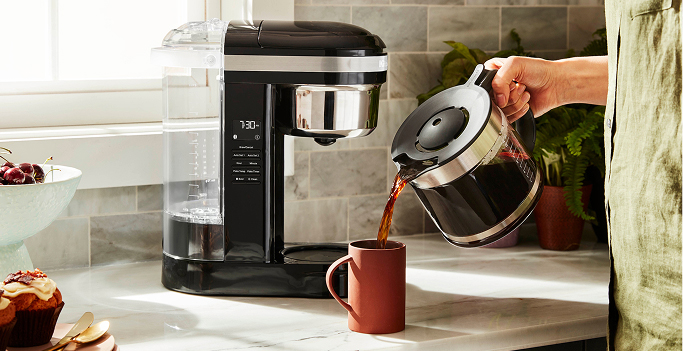
Drip coffee and pour-over often work best with medium to medium-fine grounds, but they do not always use the exact same setting. Brewer design, filter type, batch size and drawdown speed can all shift the ideal grind.
Drip coffee makers usually work well with an even medium grind that resembles sand. Pour-over often sits closer to medium-fine, similar to fine sand, though a slower-draining brewer or thicker filter may need a slightly coarser adjustment. If pour-over is part of your routine, the right grind is only one part of the process. Water flow, pouring technique and filter style also shape the final cup. Learn more about how to make pour-over coffee.

Coarse grind settings for French press and cold brew
French press and cold brew generally call for coarser grounds because the coffee stays in contact with water longer. Larger particles can help reduce sediment, support a cleaner cup and keep long-steep methods from becoming overly heavy or cloudy.
French press is a shorter immersion method, so it usually works well with a coarse grind that resembles sea salt. Cold brew steeps much longer, so coarse to extra-coarse grounds can create a smoother concentrate with less harshness. For more guidance on long-steep brewing, explore how to make cold brew coffee.
Coffee grind size chart
Use this coffee grind size chart as a starting point, then adjust one small step at a time based on taste, brew speed and flow.
Brew method | Grind size | Texture analogy | Particle size |
Espresso | Very fine, powdery but slightly granular | Table salt to fine sugar | 0.18–0.38 mm (180–380 microns) |
Moka pot | Fine | Fine sugar | 0.36–0.66 mm (360–660 microns) |
Pour-over | Medium-fine, even particles | Fine sand | 0.40–0.93 mm (400–930 microns) |
Drip coffee maker | Medium, uniform | Sand | 0.30–0.90 mm (300–900 microns) |
French press | Coarse, larger pieces | Sea salt | 0.69–1.30 mm (690–1,300 microns) |
Cold brew | Coarse to extra coarse | Raw sugar to coarse sea salt | 0.80 mm or larger (800+ microns) |
Shop KitchenAid® coffee grinders
KitchenAid® coffee grinders support a range of brewing routines, from everyday drip coffee to more precise espresso prep. Explore KitchenAid® coffee grinders to compare options with a variety of settings, including select burr grinders designed to help create more consistent grounds.

How to adjust coffee grind settings
The easiest way to adjust coffee grind settings is to change one variable at a time and use taste, brew speed and flow as feedback. Start with the recommended range for your brew method, then make small changes instead of jumping several settings at once.
A simple way to fine-tune your grind setting is:
Start with the grind range that matches your brew method.
Brew one test cup or espresso shot without changing dose, water amount or brew time.
Check the flavor, timing and flow.
Adjust one small step finer or coarser.
Brew again and repeat until the coffee tastes balanced.

Start with the right baseline setting
Choose a starting grind setting based on your brew method, grinder type and whether your machine has a built-in grinder. Espresso grind size usually starts very fine, drip coffee grind size sits near the middle of the grind spectrum and French press grind size starts coarse.
If you’re using a standalone burr grinder, begin within the recommended range for your brewing method and adjust one notch at a time. If your espresso machine has a built-in grinder, start with the machine’s suggested setting, then make small dial changes and brew a test shot between adjustments. For setup and adjustment basics, review how to use a coffee grinder.

Adjust based on taste and brew time
Taste, timing and flow can help you decide whether to grind finer or coarser. Keep your coffee dose, water amount and brewing method consistent while testing, then adjust the grinder one small step at a time.
What you notice | What this means | Try this |
Tastes sour, thin or weak or brews too quickly | Under-extraction—not enough flavor has been extracted | Grind finer |
Tastes bitter, harsh or heavy or brews too slowly | Over-extraction—too much flavor has been extracted | Grind coarser |
Flavor is still off, but brew time seems right | Other variables may be affecting the brew | Check dose, ratio, brew time and equipment cleanliness |
If adjusting the grind doesn’t improve the result, review other variables such as coffee dose, water-to-coffee ratio, brew time, filter type, puck preparation or equipment cleanliness. For espresso, dose and tamping can also affect shot flow, so keep those variables consistent while dialing in the grind.

Fine-tune for roast level and bean age
Roast level, bean freshness and decaffeination can change which grind setting works best, even when you use the same brew method.
Light roasts: In general, light roasts tend to work better with a finer grind setting. Lightly roasted beans are often denser, which means water may need more time or surface contact to draw out enough flavor. If a light roast tastes sour, sharp or thin, try a slightly finer grind to increase extraction.
Dark roasts: In general, dark roasts tend to work better with a coarser grind setting. Darker roasts often extract more quickly and can develop bitter, smoky or heavy flavors if the grind is too fine. If a dark roast tastes harsh, heavy or overdeveloped, try moving slightly coarser for a smoother cup.
Decaf beans: Decaffeinated coffee can grind differently than regular coffee and may produce a mix of coarser particles and extra fines. Compared with a medium roast regular coffee, decaf beans may need a slightly finer setting to support balanced extraction. If the cup tastes weak, thin or sour, adjust finer in small increments. If it tastes bitter, heavy or slow, move slightly coarser.
Fresh beans: Freshly roasted beans often offer the fullest aroma and flavor, but a new bag may still need small grind adjustments as the beans rest after roasting. Check the roast date when available. Very fresh beans may benefit from a slightly coarser grind at first, especially if espresso flows slowly, stalls or tastes heavy. In espresso, this can affect how water moves through the coffee puck, changing shot time, crema and flavor balance. If a shot runs too quickly or tastes sour, try grinding slightly finer. If it flows too slowly or tastes bitter, move slightly coarser.
Older beans: As beans age, they gradually lose aroma and flavor, which can make coffee taste flatter or less vibrant. If your usual setting starts producing a dull or weak cup, a slightly finer grind may help increase extraction, though very stale beans may still taste muted.

What else can affect results besides grind size?
Grind size is only one part of how coffee extracts. Bean freshness, roast level, humidity, brew ratio, filter type, batch size and equipment cleanliness can all influence flavor and flow, even when the grinder setting stays the same.
Roast level, bean age and humidity
Roast level, bean age and humidity can all influence how coffee extracts, even when your grind setting stays the same. If your coffee suddenly tastes different, these factors can help explain why before you make larger adjustments.
Roast level: Light and dark roasts extract differently, which can affect flavor, body and brew speed. Light roasts may taste sour or thin if they need more extraction, so a slightly finer grind may help. Dark roasts can extract more quickly and may taste heavy or bitter if over-extracted, so moving slightly coarser can create a smoother cup.
Bean age: Freshly roasted beans often offer the fullest aroma and flavor, while older beans can gradually taste flatter or less vibrant. When you switch to a new bag, pay attention to flow and flavor before changing multiple variables. If coffee tastes sour or runs too quickly, try grinding slightly finer. If it tastes bitter, heavy or flows too slowly, try moving slightly coarser.
Humidity: Moist air can cause grounds to clump, feed less evenly through the grinder or slow water flow through the brew bed or espresso puck. If coffee tastes heavier, brews more slowly or seems inconsistent on a humid day, make sure the grinder is clean and dry, then try a small adjustment coarser if needed.
Brew ratio, filter type and batch size
Brew ratio, filtration and batch size can all change how grind size performs. Using more coffee with the same amount of water can slow flow and intensify extraction, while a larger batch may need a modest grind adjustment to keep the brew balanced.
Brew ratio: The amount of coffee compared to water affects strength, extraction and flow. If a cup tastes too strong, heavy or bitter, you may need a slightly coarser grind or a lower coffee dose. If it tastes weak, watery or underdeveloped, a slightly finer grind or a higher coffee dose may help.
Filter type: Paper filters usually create a cleaner cup by holding back more oils and fine particles, while metal filters often allow more body and texture through. If coffee tastes muddy or heavy with a metal filter, try a coarser grind. If coffee tastes thin or flat with a paper filter, a slightly finer grind may help increase extraction.
Batch size: Brewing a larger batch can change how long water stays in contact with the grounds. If a full pot tastes bitter or brews slowly, try moving slightly coarser. If a smaller batch tastes weak or drains too quickly, a slightly finer grind may help.
Grinder care and machine upkeep
Leftover grounds, oil buildup and machine maintenance can influence grind performance and espresso results. Old coffee particles can collect in the grinder, chute and brew path, making the grounds feed unevenly or affecting how fresh each cup tastes.
Regular brushing, emptying and routine care can help reduce buildup that may affect grinding consistency and coffee flavor. If you use an espresso machine, regular cleaning and descaling can also support more consistent flow and flavor. Review how to clean and descale an espresso machine for more maintenance tips.

Coffee grind size FAQs
These quick answers can help you fine-tune your technique after choosing a general grind range. Use them as troubleshooting cues when flavor, flow or freshness feels slightly off.
Does grind size affect caffeine content?
Grind size can affect how quickly caffeine extracts, but total caffeine usually depends more on coffee dose, brew method and contact time. A finer grind may extract caffeine faster, while coarser grounds may need more brewing time to reach a similar result.
Why does my coffee grind look uneven?
Uneven coffee grounds can come from dull burrs, oil buildup, static, leftover particles or beans feeding inconsistently through the grinder. Blade grinders may also create a wider mix of fine dust and larger pieces. When grounds look uneven, extraction becomes less predictable and the cup may taste unclear, bitter or sour.
How quickly does ground coffee lose flavor?
Ground coffee starts losing aroma shortly after grinding because more surface area is exposed to air. For fuller flavor, grind close to brewing time when possible and store whole beans properly between uses.