

Batch cooking meal prep made easy
10 minutes
06 August 2026

Batch cooking is a flexible meal prep approach that lets you prepare ingredients, sauces and meal components ahead of time so weekday cooking feels more relaxed, creative and varied. Instead of starting from scratch every day, you can build a lineup of grains, proteins, vegetables, sauces and baked staples that come together in different ways. The best batch cooking recipes are often the ones that can be mixed, matched and refreshed with different toppings, sauces or sides throughout the week.
Most batch cooking sessions take about one to three hours, depending on how many components you prepare, how many meals you want to make and whether you’re cooking for one person, a couple or a family. If you’re exploring batch cooking for beginners, start with a shorter prep session and focus on a few flexible ingredients you can combine into a variety of meals over the coming days.
The goal isn’t to rely on identical containers for every meal. It’s to create mix-and-match components that leave room for flavor, inspiration and whatever sounds good that day—grain bowls, wraps, pasta dishes, salads, breakfast plates, soups and more.
Batch cooking meal prep made easy
Batch cooking meal prep made easy
What is batch cooking?
Batch cooking means preparing larger portions of ingredients, sauces or full dishes in one cooking session so you can assemble meals more easily throughout the week.
It often includes staples like cooked grains, shredded chicken, roasted vegetables, soups, sauces and baked goods stored in mason jars or glass food storage containers for easy access later on. Rather than planning every meal down to the last bite, batch cooking gives you a flexible foundation you can shape into different dishes.
For example, the same rice, roasted vegetables and shredded protein can become a grain bowl, taco filling, salad topper or soup addition depending on the sauces, garnishes and fresh ingredients you add.
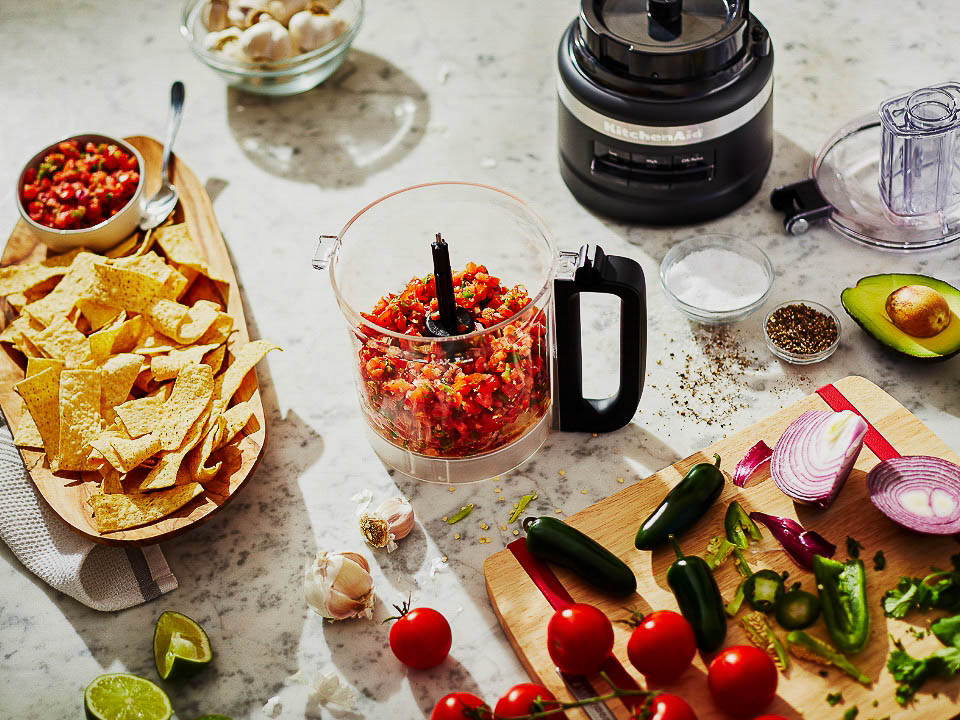
Batch cooking vs. meal prep vs. freezer meals
Batch cooking, meal prep and freezer cooking are related but different. Batch cooking means making larger quantities of ingredients or meals at one time. Meal prep focuses on preparing and portioning meals or snacks in advance. Freezer cooking involves making foods specifically to freeze and reheat later.
All three can save time during the week, but the best option depends on your schedule, storage space and cooking needs.
Method | What It Involves | Best For |
Batch cooking | Cooking larger quantities of ingredients or full dishes in one session | Flexible weekly meals with mix-and-match components |
Meal prep | Chopping produce, portioning sauces and assembling ready-to-eat containers | Quick grab-and-go meals, snacks and portioned servings |
Freezer meals | Preparing complete dishes designed for longer freezer storage and later reheating | Stocking up for especially full weeks or months ahead |
You can also combine these approaches. For example, you might batch cook grains, proteins and vegetables to use in meals throughout the week, while freezing extra portions of fully prepared dishes like soup, chili, lasagna or casseroles for later.
Why batch cooking works for busy weeks
Batch cooking works well for busy schedules because it reduces daily prep time while keeping meals varied throughout the week. Whether you’re cooking for yourself, a two-person household or a full family, one focused cooking session can cover several dinners, quick lunches, breakfasts and snack options without making meals feel repetitive.
Countertop appliances can make the process feel even more enjoyable. A stand mixer can knead dough, mix meatballs or mashed potatoes, while a food processor, blender or grain and rice cooker can take on chopping, blending and hands-off cooking. That means your prep session can move smoothly without taking away the creativity of cooking.
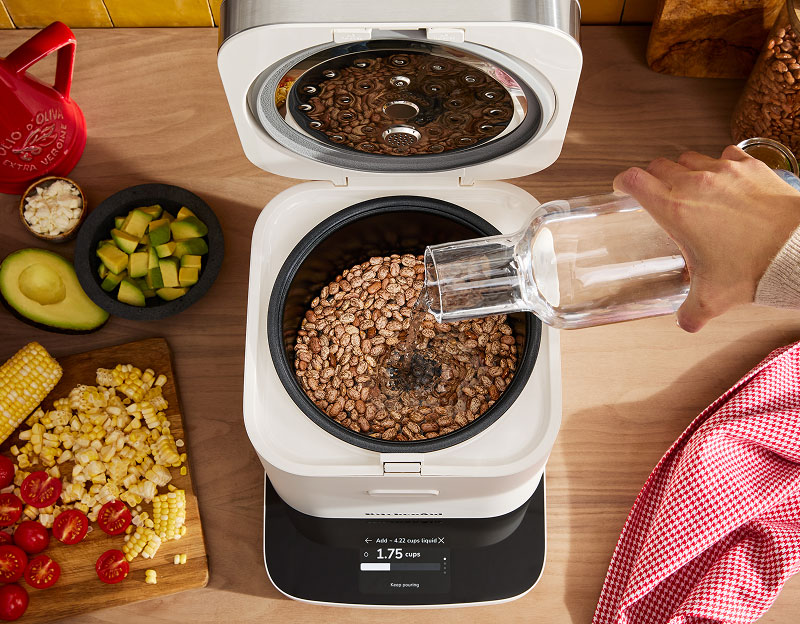
What foods are best for batch cooking?
The best batch cooking ingredients are foods that store well, reheat easily and work across multiple types of meals. Focus on sturdy components you can pair with fresh toppings, sauces or sides throughout the week.
Grains and bases: Rice, quinoa, farro, barley and pasta can become the foundation for bowls, stir-fries, salads, soups or quick side dishes.
Proteins: Shredded chicken, pulled pork, meatballs, beans and lentils can work across wraps, sandwiches, tacos, pasta dishes and grain bowls.
Vegetables: Roasted sheet pan vegetables, sweet potatoes, carrots, peppers and onions tend to hold up well and can be served warm, chilled or folded into different meals.
Sauces, dips and dressings: Pesto, hummus, salsa, vinaigrettes and yogurt-based sauces can quickly change the flavor of the same grains, proteins and vegetables.
Baked staples and breakfasts: Muffins, quick breads, waffles, baked oatmeal and some breakfast burritos can be made ahead and reheated for easy morning options.
How to plan a batch cooking session
A little planning can turn one prep block into several meals with less guesswork, especially if you’re exploring batch cooking for beginners. Choose the batch cooking recipes or ingredients you want to make, decide how they will work together and set up your tools and containers before you begin. Thinking through your batch cooking workflow ahead of time can help you move from chopping and mixing to cooking, cooling and storing with fewer pauses.
A simple formula is: one or two grains + one to three proteins + a few vegetables + two sauces or toppings. From there, you can build bowls, wraps, pasta dishes, salads, breakfast plates and freezer-friendly extras.
Component | Example Prep | How to Use It |
Grain or base | Rice, quinoa, farro or pasta | Use as the base for grain bowls, salads, wraps, soups or quick sides |
Protein | Shredded chicken, meatballs, pulled pork, beans or lentils | Add to bowls, tacos, sandwiches, pasta or family-style dinners |
Vegetables | Sheet pan vegetables, roasted sweet potatoes, sliced peppers or shredded cabbage | Layer into bowls, wraps, salads, pasta or breakfast scrambles |
Sauces or dressings | Pesto, salsa verde, tahini dressing, hummus or vinaigrette | Drizzle, spread or toss to change the flavor |
Fresh toppings | Herbs, citrus, nuts, seeds, cheese or pickled vegetables | Add before serving for brightness, crunch and variety |
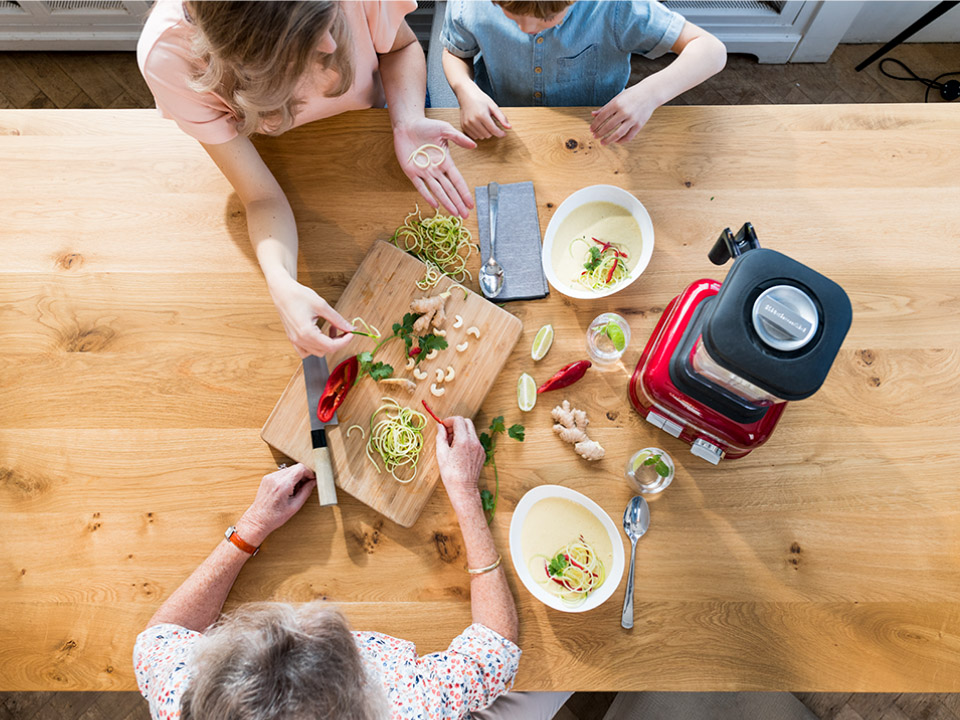
1. Choose a batch cooking style that fits your week
Choose a batch cooking style based on your available time, household size, storage space and how much variety you like during the week.
60-minute prep: This approach may work well for one person, couples or small kitchens. Focus on a few flexible components, such as one grain, one protein, one sauce and one or two fresh toppings.
2-hour weekly prep: This style often suits families or frequent home cooks who want several components ready for lunches, dinners and breakfasts. You might prepare multiple grains, proteins, vegetables and sauces to create more meal combinations throughout the week.
Freezer-focused prep: This method is useful when you want to make extra portions for future weeks. Prepare freezer-friendly foods like soups, stews, casseroles, doughs or baked staples, then store them in labeled containers for later.
The right approach should feel realistic for your kitchen. If refrigerator space is limited, prep fewer components and refresh them more often. If you have more freezer space, double a few recipes and save portions for later.
2. Build a simple mix-and-match menu
Plan around a few flexible components: one grain or base, one or two proteins, a few vegetables, two sauces and fresh toppings. From there, the same prep can turn into grain bowls, wraps, salads, pasta dishes or quick sides throughout the week. For example, rice, shredded chicken, roasted peppers and salsa verde can become a grain bowl one night, tacos the next and a chopped salad or wrap later in the week.
Use the chart below as inspiration for building a flexible weekly menu from one prep session.
Components | Meal Ideas for the Week |
Base: Rice or farro Protein: Shredded chicken or black beans Vegetables: Roasted peppers, onions and cabbage Sauces: Salsa verde and Mexican orange sauce Fresh toppings: Cilantro, lime, shredded cheese, greens, avocado, mango or orange slices | Grain bowl: Layer rice, chicken, roasted peppers, cabbage, salsa verde and shredded cheese. Tacos: Fill tortillas with chicken or beans, cabbage, Mexican orange sauce, cilantro and lime. Wrap: Roll farro, vegetables, beans, avocado and sauce into a hearty wrap. Salad: Serve chicken, peppers and cabbage over fresh greens with salsa verde and a fruit pairing. |
Base: Pasta or quinoa Protein: Meatballs or white beans Vegetables: Roasted zucchini and bell peppers Fresh toppings: Basil, parmesan, mozzarella, lemon zest, arugula or cherry tomatoes | Pasta dinner: Toss pasta with meatballs, roasted vegetables, marinara and parmesan. Pesto quinoa bowl: Layer quinoa, white beans, vegetables, pesto and fresh basil. Meatball sandwich: Add meatballs, marinara and mozzarella to toasted bread. Salad: Serve quinoa, beans and roasted vegetables over arugula with pesto and cherry tomatoes. |
Base: Oats or quinoa Protein: Cooked breakfast sausage or beans Vegetables: Roasted sweet potatoes and peppers Sauces: Mango salsa and herb vinaigrette Fresh toppings: Yogurt, nuts, seeds, berries, banana slices, herbs, feta, shredded cheese or citrus | Breakfast bowl: Top oats or quinoa with yogurt, berries, banana slices, nuts and seeds. Breakfast wrap: Add sausage, sweet potatoes, peppers, salsa, greens and shredded cheese to a tortilla with scrambled eggs. Savory grain bowl: Pair quinoa or sweet potatoes with sausage, peppers, herb vinaigrette and feta. Snack plate: Serve yogurt, fruit, nuts and a make-ahead muffin or scone with prepped grains. |
Base: Couscous, barley or rice Protein: Lentils, chickpeas or grilled chicken Vegetables: Roasted carrots, cauliflower and red onions Sauces: Hummus and lime tahini dressing Fresh toppings: Parsley, mint, feta, toasted almonds, cucumbers, grapes or sliced pears | Mediterranean bowl: Layer couscous or barley with lentils, roasted carrots, cauliflower, hummus and herbs. Pita pocket: Fill pita with chickpeas, roasted vegetables, hummus, cucumber and feta. Salad: Pair grains, chicken and roasted vegetables with fresh herbs, lime tahini dressing and toasted almonds. Light dinner plate: Serve rice or barley with hummus, roasted vegetables, herbs and fresh fruit. |
3. Set up your storage plan
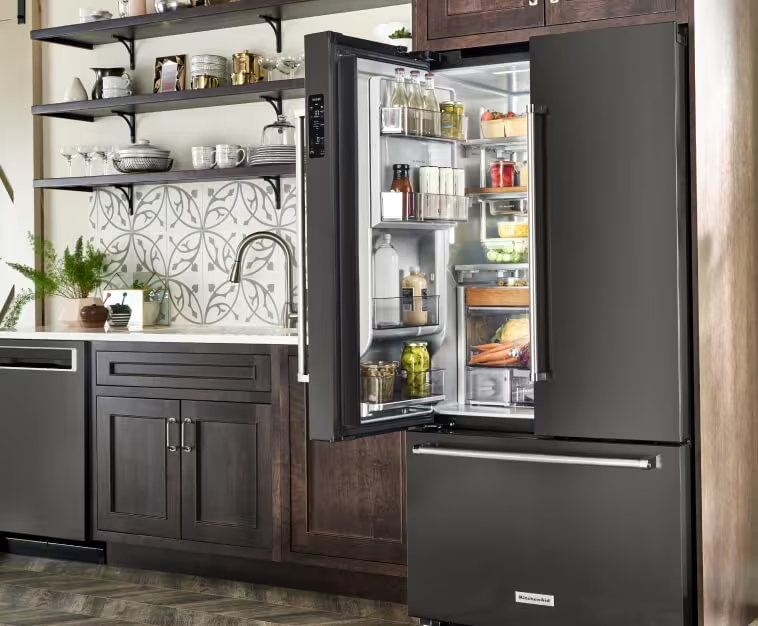
Before you start cooking, organize your containers and make room in the refrigerator or freezer so ingredients are easy to store, find and use later.
Choose the right containers: Glass food storage containers and mason jars are useful for separating grains, proteins, sauces and toppings. Keeping components separate can help preserve texture and make meals easier to assemble.
Plan your portion sizes: Individual servings may work well for grab-and-go lunches, while larger containers often suit family-style dinners or flexible meal components.
Label everything clearly: Add the dish name and date to each container so you know what to use first and can rotate ingredients more easily throughout the week.
Store sauces separately: Keep dressings, dips and sauces in separate jars or small containers when possible so grains, vegetables and greens stay fresh longer.

4. Match tasks to the right tools
Match prep tasks to the right countertop appliances so mixing, shredding, kneading, chopping, blending and slow cooking fit naturally into your cooking flow. Using each tool for the task it handles best can save time and keep your prep session moving smoothly.
Stand mixer: Use a stand mixer to mix meatballs, mash potatoes, prepare burger blends, knead pizza dough or help shred cooked chicken with the right method or attachments.
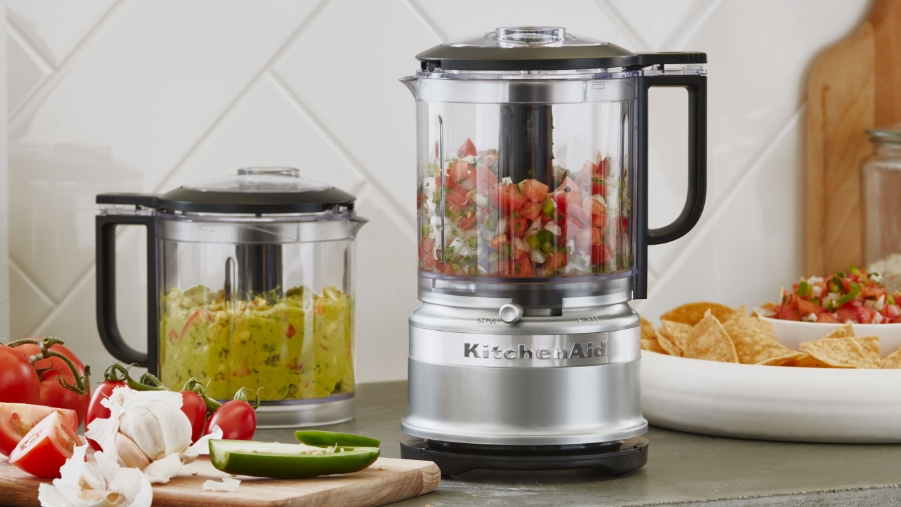
Food processor or chopper: Use a food processor to chop onions, shred carrots, slice cabbage or prep vegetables for slaws, salads and grain bowls. It can save time when you need to prepare several vegetables at once. For smaller prep tasks, a cordless chopper from the KitchenAid Go™ Cordless System can make it easier to move around the kitchen as you prep toppings, aromatics or quick sauces without working around an outlet.
Blender or hand blender: Use a blender or hand blender to create soups, sauces, marinades and dressings. These flavor-building components can help the same grains, proteins and vegetables feel different throughout the week.
Grain and rice cooker: Use a grain and rice cooker to prepare rice, quinoa, oatmeal and other grain-based staples while the rest of your ingredients come together.
Slow cooker: Use a slow cooker to prepare soups, stews, beans, pulled meats or braised proteins while you focus on chopping vegetables, mixing dough, blending sauces or portioning other batch-cooked components.
Shop KitchenAid® Artisan Plus stand mixers
KitchenAid® Artisan Plus stand mixers can support batch cooking tasks like mixing meatballs, shredding chicken, mashing potatoes, kneading pizza dough or preparing baked staples for the week. Precision Speed Controls let you move between 11 settings and every speed in between, giving you more control as you mix, knead or fold ingredients. Included dishwasher-safe stainless steel accessories help save time on cleanup after larger prep sessions, so you can spend less time washing up and more time enjoying the creative parts of cooking.
How to use countertop appliances for easier batch cooking
Countertop appliances can make batch cooking feel more fluid by handling repetitive prep tasks and supporting multitasking. While one appliance cooks grains, another can blend sauce, mix dough or prep vegetables.
This kind of setup keeps the cooking experience creative and low-pressure. Your mixer can shred while you chop, your blender can make dressing while vegetables roast and your grain cooker can prepare a warm base while you focus on flavor, texture and assembly.
Use a stand mixer for hands-on prep shortcuts
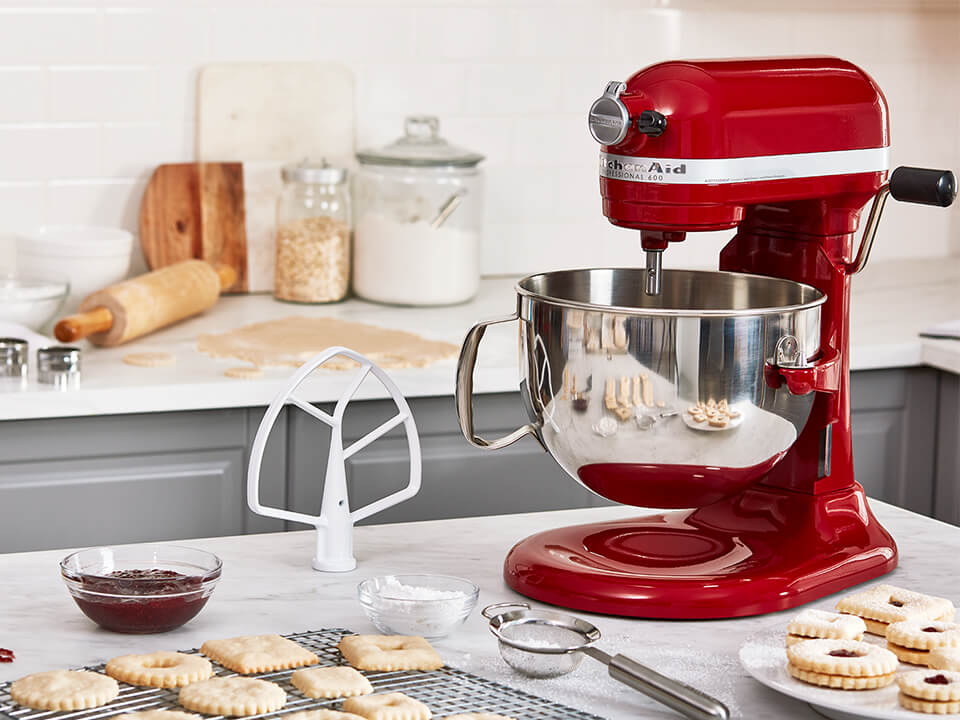
A stand mixer can speed up batch cooking by taking on mixing, kneading, whipping and mashing while you prep other ingredients, organize containers or start another dish.
Use the included stand mixer accessories for everyday prep tasks:
Flat beater: Mix meatballs,shred cooked proteins, mash potatoes, combine burger blends or prepare fillings for casseroles, stuffed vegetables or savory hand pies.
Dough hook: Knead pizza dough, sandwich bread, focaccia, rolls or bagels for make-ahead meals and freezer-friendly baking projects.
Wire whip: Whip lighter mixtures like meringue, whipped toppings, buttercream or airy batters for breakfast bakes and desserts.
Attachments sold separately can expand your stand mixer’s role in batch cooking meal prep:
Fresh prep attachments: Slice, shred or spiralize fruits and vegetables for slaws, salads, wraps, grain bowls, toppings and noodle-style bases.
Food grinder attachments: Prepare ground meats for meatballs, burgers, sauces, breakfast sausage or savory fillings, giving you more control over the texture and ingredients in make-ahead proteins.
Pasta attachments: Roll, cut or shape fresh pasta for make-ahead dinners, pasta salads or freezer-friendly pasta dishes, adding another flexible base to your batch cooking routine.
Batch prep breakfasts and baked staples
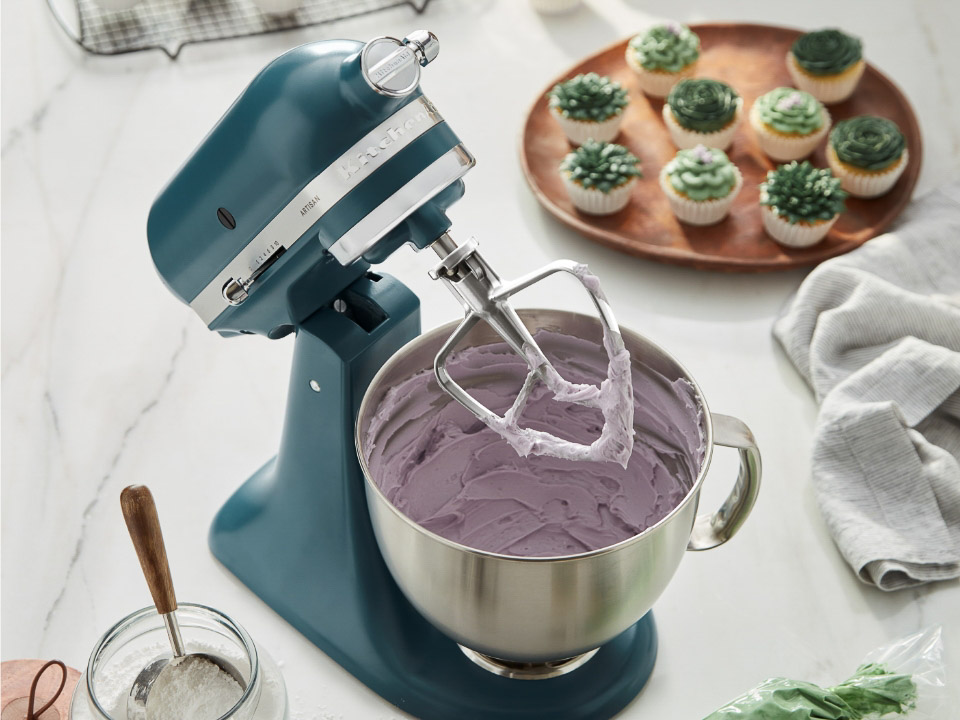
A stand mixer can be a versatile baking tool for batch prep, helping you make doughs, batters and baked goods that carry through the week as breakfasts, snacks, sides or make-ahead meals.
Bake now for the week: Muffins, quick breads, scones and waffles can be baked ahead and stored for easy breakfasts, snacks or brunch pairings.
Freeze doughs or baked goods for later: Pizza dough, rolls, sandwich bread, focaccia and scones can be portioned or frozen depending on the recipe, giving you ready-to-bake or ready-to-reheat options for future meals. For more bread-making inspiration, explore these tips for making bread with a stand mixer.
Prep savory breakfast pairings: Attachments like the KitchenAid® Sausage Stuffer can help prepare homemade breakfast sausage for ready-to-cook pairings with eggs, biscuits, grain bowls or breakfast sandwiches.
Add lighter toppings: A stand mixer with a wire whisk can make whipped cream or other airy toppings for desserts, breakfast bakes or brunch-style meal prep.
Prepare grains for breakfast or sides: The KitchenAid® Grain and Rice Cooker can batch-cook rice, quinoa and other grains for the week. Its delayed start feature can also help prepare oatmeal so breakfast is ready when you are.
Prep sauces, dips and dressings in larger batches
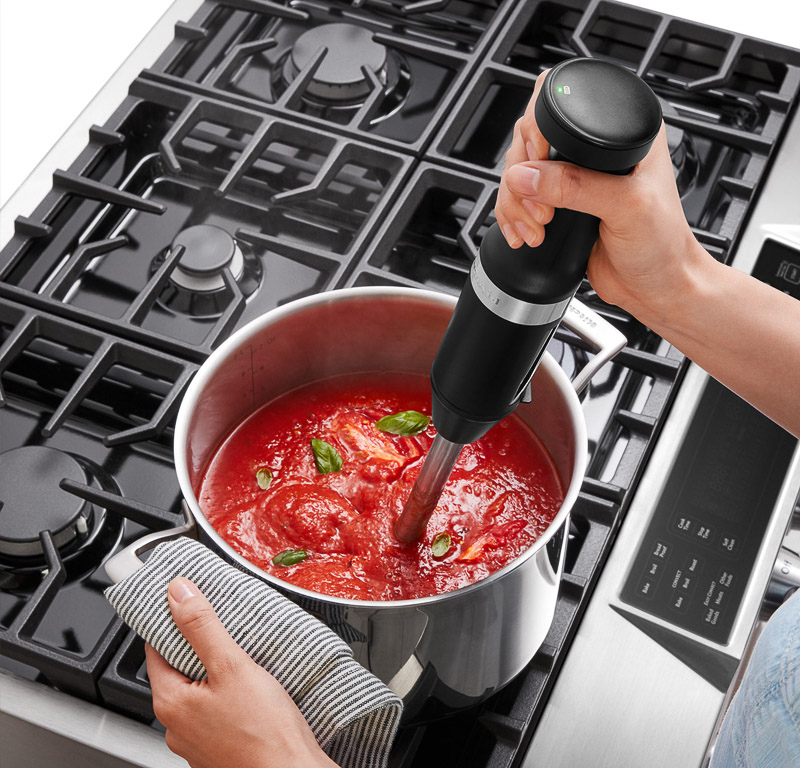
Batch-made sauces, dips and dressings can make the same cooked grains, proteins and vegetables feel new throughout the week.
Blend sauces and dressings: Use a blender or hand blender to prepare vinaigrettes, marinades, salsa, pesto, chimichurri or creamy dressings that can be drizzled over bowls, tossed with pasta or used as spreads for wraps.
Make dips and spreads: Use a grain and rice cooker to cook chickpeas, then blend them in a food processor or blender to make homemade hummus. You can also use a food processor for thicker dips like bean dips or vegetable spreads that add flavor and texture to sandwiches, snack plates, grain bowls and salads.
Prepare hot and cold blended recipes: The KitchenAid® Pure Power Blender can support both hot and cold recipes, making it useful for pureed soups, sauces, smoothies and chilled dressings.
Shop KitchenAid® blenders
KitchenAid® blenders can help you fine-tune texture as you build sauces, soups, smoothies and other batch-prepped components. The KitchenAid® Pure Power Blender features a Precision Speed Control Knob + Pulse, giving you control from chunkier salsas and spreads to smoother soups, shakes and dressings. The Heat Release Vent supports hot recipes while the preset Smoothie, Ice Crushing and Clean Cycle settings add convenience for everyday prep and cleanup. Explore the KitchenAid® blender collection to find options with blending features and capacities suited for everyday meal prep and larger cooking projects.

How to store and reheat batch-cooked food
Thoughtful storage, labeling and reheating can help preserve texture and keep prepped meals enjoyable throughout the week. The goal is to make your prepared components easy to see, easy to use and easy to refresh with new flavors.
Portion and label meals for easy grab-and-go use
Portion batch-cooked foods based on how you plan to enjoy them, whether you’re prepping individual lunches, family-style dinners or flexible meal components.
Use smaller portions for flexible meals: 2-cup portions can work well for grains, soups, proteins or vegetables when you want easy building blocks for quick lunches, bowls, wraps or sides. Smaller containers can also help foods cool more evenly and make it easier to reheat only what you need.
Store larger portions for family-style meals: Larger glass containers often suit roasted vegetables, pasta dishes, soups and grains that can be served as part of a shared dinner or repurposed across multiple meals.
Keep sauces and toppings separate: Store sauces, dressings, chopped toppings and fresh garnishes in separate jars or containers when helpful. This can help preserve texture and make it easier to refresh meals throughout the week.
Label by name and date: Add the dish name and prep date to each container so you know what to use first. Organizing containers by use-first order can make your refrigerator easier to navigate and help ingredients stay at their best.
Follow food safety and storage timing guidelines
As you portion batch-cooked foods, keep food safety and storage timing in mind so ingredients are easy to use while they’re still at their best. A simple rhythm is cook, cool, store and label. According to the USDA Food Safety and Inspection Service, perishable leftovers should be refrigerated within two hours of cooking or after being removed from an appliance keeping them warm.
As a general rule, refrigerator storage for leftovers is usually limited to 3 to 4 days. This can include common batch-cooked components like cooked grains, pasta, rice, shredded chicken, soups, stews, chili, beans, lentils and roasted vegetables when they are cooked, cooled and stored properly. Sauces and dressings can vary depending on the recipe, so label them by prep date and check them before using. If you know you won’t use batch-cooked food within that window, freeze extra portions when appropriate.
Know what freezes well and what to use fresh
Foods like cooked grains, soups and shredded meats often freeze well, while delicate greens, watery vegetables and crisp toppings are usually better added fresh.
Foods that usually freeze well:
Cooked grains, such as rice, quinoa and farro
Soups, stews and chili
Shredded chicken, pulled pork and cooked meats
Muffins, scones and bread dough
Cooked beans and lentils
Roasted vegetables cooked just until tender
Foods that are best used fresh:
Salad greens and leafy herbs
Cucumbers and raw tomatoes
Crunchy toppings, such as nuts, seeds and croutons
Dressed salads
Avocado, unless mashed and sealed
Crispy fried foods

Reheat and refresh meals without losing variety
Reheat batch-cooked foods in ways that preserve texture, then add fresh toppings, sauces or new formats to keep meals varied throughout the week.
Reheat based on texture: Warm full dishes together when it makes sense, like soups, stews, casseroles or saucy pasta. For meals with crisp, fresh or delicate elements, heat the heartier components first, then add greens, herbs, citrus, crunchy toppings or fresh sauces before serving.
Use a countertop oven for crispness: KitchenAid® countertop ovens can bake, roast, toast, broil, air fry and warm, making them useful for reheating foods that benefit from a crisper finish, like roasted vegetables, pizza, bread, meatballs or casseroles. Air fry mode can help bring texture back to foods like roasted potatoes or breaded proteins, while bake, warm or toast settings offer flexibility for different meal types.
Add a just-made base: Prepare fresh rice, quinoa or grains in a grain and rice cooker to pair with a batch-cooked entrée when you want a warm, freshly made base.
Change the format: Turn one prepared protein or vegetable mix into several meals. Shredded chicken can become tacos, grain bowls, sandwiches, wraps or pasta dishes, while meatballs can pair with pasta one night, tuck into sandwiches another day or serve over rice with a different sauce.
Batch cooking FAQs
These quick answers cover practical questions that may come up as you plan, prep, store and refresh batch-cooked meals.
Is batch cooking worth it?
Yes, batch cooking can be worth it if you want flexible ingredients ready for creative meals throughout the week. Batch cooking reduces daily prep work, helps ingredients get used more intentionally and makes weeknight meals feel less stressful. It’s especially useful for busy schedules, families, frequent home cooks and anyone trying to cut down on takeout during the week. Starting with a few simple batch cooking recipes, like grains, roasted vegetables, shredded proteins or sauces, can make the process feel more approachable.
What is the 3-3-2 meal prep method?
The 3-3-2 method means preparing three proteins, three vegetables and two starches to mix and match throughout the week. It’s a helpful framework for batch cooking for beginners because it creates variety without requiring an overly complicated plan. For example, you might prep chicken, beans and meatballs; roasted broccoli, peppers and carrots; and rice and potatoes.
Can you batch cook for one person?
Absolutely. Batch cooking often works well for smaller households because it reduces repeated cooking during the week while helping prevent food waste. Start with one grain, one protein, one sauce and a few toppings. Use smaller containers, freeze extra portions and refresh meals with different sauces or fresh ingredients so your week still feels varied.
How many meals should you make in one batch cooking session?
A good starting point is four to eight meals, depending on your household size, fridge storage space and how much variety you enjoy. Many people prepare enough for three to four days, then freeze extra portions for later. Once you know which foods you reach for most often, you can scale your next session up or down.