









 New Code Sent!
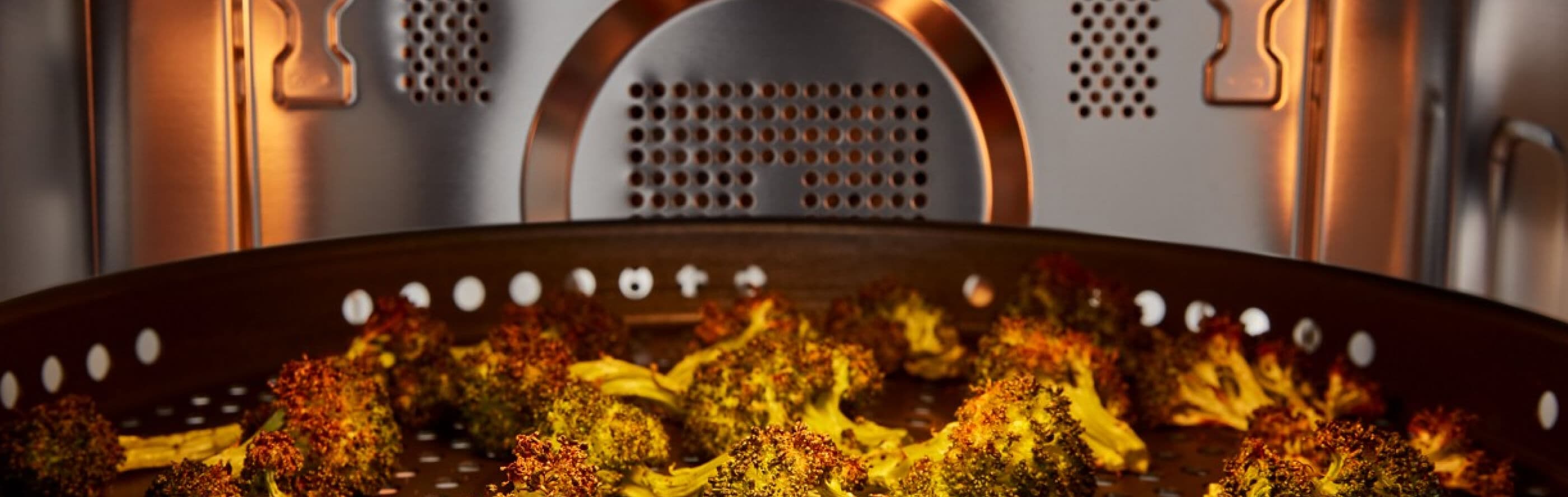
Air fryer vs. microwave cooking comparison
Microwaves and air fryers both play a distinct role in the art of modern cooking, and deciding when to use each can streamline how you go about crafting meals and mastering various cooking techniques.
Microwaves can be an excellent choice for quick reheating and defrosting, while air fryers deliver crispy fried food without the need for oil. While both are convenient options for making food, their cooking methods differ. Microwaves use electromagnetic waves to heat food quickly while air fryers rapidly circulate hot air to cook and crisp food.
Use this guide to discover the differences between air fryers vs. microwaves, learn which one is right for your kitchen and find inspiration for your next recipe.


Is an air fryer like a microwave?
Both air fryers and microwaves can help you create similar dishes, but they work in different ways. Traditional microwaves use electromagnetic waves to heat food from the inside out, whereas air fryers cook by circulating hot air around food.
Microwaves are ideal for defrosting, melting or heating foods with high water content. Air fryers are designed to provide food with a crunchy, crisp texture similar to traditional frying—minus the excess oil.
| Air fryer | Microwave | |
|---|---|---|
| Cooking method | Rapidly circulate hot air to cook and crisp food | Uses electromagnetic waves to heat food quickly |
| Speed | May take slightly longer, depending on the food | Quick cooking |
| Commonly used for | Crispy texture | Reheating and defrosting |
| Capacity | 1.6 to 20 quarts | 1.0-2.2 cu. ft. |
| Ease of cleanup | Clean after each use | Clean about once a week, or after large spills and splatters occur |
While air fryers and microwaves are both helpful in heating up food, they have different features that can benefit an array of cooking styles. Which appliance is best for you depends on what types of food you tend to make. For a crispy exterior on your favorite foods, without as much oil as deep frying, an air fryer may be preferable. If you gravitate toward techniques like steam cooking or frequently defrost frozen foods, a microwave may be best.
Air fryers preheat and cook quickly, and can help you create anything from crunchy vegetables to savory quiche or ginger cookies. On the other hand, microwaves offer versatility—select models can defrost, steam, bake and more with presets that make reheating and cooking a breeze.
When it comes to cooking times, air fryers may take a little bit longer than microwaves, depending on the food, as they rapidly circulate hot air to cook and crisp food. Microwaves, on the other hand, use electromagnetic waves to quickly heat food, generally resulting in shorter cooking times.
Convection microwave vs. air fryer
Convection microwaves heat food quickly using electromagnetic waves and a convection fan, while air fryers cook and crisp food by rapidly circulating hot air. Select KitchenAid® microwaves offer both convection and air fry capabilities in one convenient appliance.


Is a microwave air fryer combo worth it?
Microwave air fryer combos blend the best of both worlds, saving valuable counter space while giving you the versatility of two appliances in one. If you’re tight on space or looking to expand your baking options beyond the oven, this combo can help complement your cooking.
You can seamlessly switch between cooking methods, from crisping to reheating or steaming, all without juggling multiple appliances. Plus, you can often streamline food prep with a variety of presets for unique cooking functions.
Shop KitchenAid® microwaves with Air Fry
KitchenAid® microwaves with Air Fry Mode use triple heating elements and a fan to circulate hot air around the included Air Fry Basket, crisping and browning food with less oil (when compared to deep frying). You can experiment with new dishes whenever you’re ready, then toss the Air Fry Basket into the dishwasher for easy cleanup.


What are the best foods to cook in an air fryer vs. a microwave?
Air fryers are great for cooking small batches quickly, while giving your food a crispy finish without a large amount of oil or the hassle of traditional deep frying. Microwaves are a go-to tool for reheating leftovers, defrosting frozen meat, or heating foods like savory soups or tender vegetables.
Check out the ideas below for inspiration on what you can cook with each appliance.
What to cook in an air fryer
Your air fryer can help you create a well-rounded meal while you prep anything from appetizers and sides to the main course and even dessert. You can use an air fryer to create:
Appetizers & vegetables: Prep crispy vegetables and appetizers like potato latkes, chili roasted okra or classic french fries.
Main courses: Whip up a mouthwatering main course when you create a wild salmon burger, shrimp or breaded chicken for a chicken katsu sandwich.
- Desserts: When you’re ready to satisfy your sweet tooth, try your hand at traditionally fried treats like donuts or air-fried strawberry hand pies.
What to cook in a microwave
Microwaves can help you prep ingredients throughout every step of the cooking process, from defrosting frozen meat and melting butter to steaming whole fish filets. You can tweak the following recipes to prep them for steaming in your microwave:
Appetizers and vegetables: Steam seasoned vegetables like green beans, carrots, broccoli or assorted root vegetables to complement a wide variety of dishes.
Main courses: Create a bed of rice that lays the foundation for creamy herbed chicken, or experiment with steamed seafood when you make clams or shrimp boil.
- Desserts: Satisfy your sweet tooth when you use your microwave to steam chocolate malt pudding cake, steamed ricotta cheesecake or blueberry pudding cakes.
Select microwaves from KitchenAid brand simplify the steaming process with sensors that cue the microwave to steam foods based on the food type and doneness level you’ve preselected. Or, opt for a KitchenAid® microwave with convection cooking that lets you bake and roast dishes like lemon thyme roasted chicken.


Air fryer vs. microwave FAQs
Get answers to common questions about the differences between air fryers vs. microwaves.
Can an air fryer replace a microwave?
Air fryers can be a great option for crispy, fried foods without as much oil as deep frying and can often complement microwaves. However, they may not be an adequate replacement for the quick heating and defrosting settings that microwaves offer.
A microwave with air fry capabilities combines the functionality of the two, providing a good compromise. These appliances offer the quick heating function of a microwave and the ability to crisp and brown food like an air fryer.
Is reheating food in an air fryer better than using a microwave?
It depends on your preferences. Microwaves allow you to reheat food quickly, while air fryers may take longer. However, air fryers provide a crunchy, golden exterior that mimics fried foods. So if you’re reheating something that doesn’t need to be crispy or crunchy, you might choose a microwave for that task.
Which cooks food faster: an air fryer or a microwave?
Air fryers may take longer than microwaves to cook and reheat food, but they can provide a crispy outer texture. Microwaves may be the appropriate option if you’re looking for a quick method for cooking, reheating or defrosting food—especially food that doesn’t need to be crisp or crunchy.
Explore KitchenAid® microwaves and air fryers
Microwaves and wall ovens from KitchenAid brand are packed with versatile features that make it easy to explore new recipes and techniques. Select KitchenAid® over-the-range, built-in and countertop microwaves are designed to do more—from steaming and melting to baking and air frying—so you can prep more in one place. Take the guesswork out of cooking with select KitchenAid® microwave ovens and wall ovens that offer Air Fry Mode to crisp and brown food.


Your subscription was successful
Thank you for signing up. Keep an eye on your inbox for our next newsletter.
Stay Connected – Join the List
Enjoy articles like this? Get helpful guides and appliance care tips sent straight to your inbox.

