


Cooking tips
209 articles
Have you ever wondered how to make perfectly baked cookies? Or how to make pasta from scratch - and other tips to make it perfect? Upgrade your knowledge from our selection of cooking tip blogs.

How to steam milk for a latte: Tips for silky microfoam
To steam milk for a latte, start with cold milk, purge the steam wand, introduce a small amount of air near the surface and then submerge the wand slightly to create a smooth whirlpool. Stop steaming around 140–150°F, swirl the pitcher and pour immediately for glossy, velvety microfoam. Milk steaming is what transforms espresso into lattes, cappuccinos, flat whites and cozy drinks like hot chocolate. When the texture is right, the milk develops fine, integrated bubbles and a naturally sweet, creamy consistency that blends smoothly into espresso. This beginner-friendly guide focuses on using a steam wand, including the manual steam wands found on KitchenAid® semi-automatic espresso machines, where you control wand position, aeration and texturing. Once you understand these techniques and learn to recognize the right temperature and visual cues, steaming milk at home becomes much more intuitive.
READ MORE
KitchenAid® fully automatic espresso machine tips
KitchenAid® fully automatic espresso machines are designed to bring your favorite café-style drinks into your daily routine with intuitive controls, precise grinding and thoughtfully programmed options for espresso, coffee, milk drinks, iced beverages and more. This guide can help you get even more from your machine when you want to personalize the experience, fine-tune flavor or adjust a drink to better fit your beans, cup size or milk texture preferences. Use these tips to understand how beans, water, grind, strength, body, volume, temperature and cleaning habits can help support rich espresso flavor, smooth milk texture and consistently enjoyable drinks.
READ MORE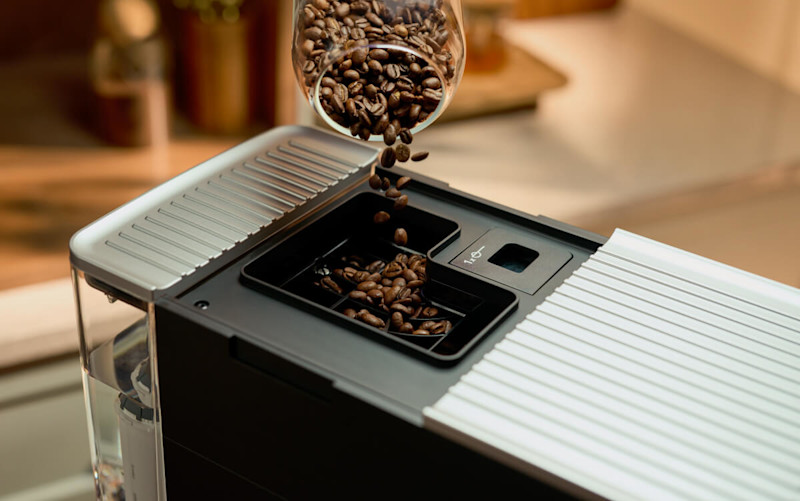
Why the Secret to Great Espresso Isn’t Just the Grinder—It’s the Brains Behind It
We all have our morning coffee rituals. Maybe you love a sharp, punchy espresso on Monday to kickstart the week, but prefer a smooth, velvety latte on a relaxed Sunday. If you were using a traditional espresso setup, switching between these drinks—or opening a brand-new bag of coffee beans—would mean a lot of tedious guesswork. You’d have to manually adjust the grind size, measure out the exact weight of the coffee grounds, and hope you didn't waste half a bag of expensive beans just trying to get the taste right. We think you should be able to enjoy cafe-quality coffee without needing a degree in food science. That’s where IntelliGrind comes in.
READ MORE
Batch cooking meal prep made easy
Batch cooking is a flexible meal prep approach that lets you prepare ingredients, sauces and meal components ahead of time so weekday cooking feels more relaxed, creative and varied. Instead of starting from scratch every day, you can build a lineup of grains, proteins, vegetables, sauces and baked staples that come together in different ways. The best batch cooking recipes are often the ones that can be mixed, matched and refreshed with different toppings, sauces or sides throughout the week. Most batch cooking sessions take about one to three hours, depending on how many components you prepare, how many meals you want to make and whether you’re cooking for one person, a couple or a family. If you’re exploring batch cooking for beginners, start with a shorter prep session and focus on a few flexible ingredients you can combine into a variety of meals over the coming days. The goal isn’t to rely on identical containers for every meal. It’s to create mix-and-match components that leave room for flavor, inspiration and whatever sounds good that day—grain bowls, wraps, pasta dishes, salads, breakfast plates, soups and more.
READ MORE
10 spring kitchen decor ideas to refresh your space
Spring is the perfect time to reset your kitchen with fresh color, open space and a few thoughtful updates that can help make your space look renewed and inviting. Small changes, like shifting your color palette, rethinking key work zones or bringing in natural elements, can often transform the feel of the room without a full remodel. As recipes turn to fresh herbs, citrus and lighter bakes, your kitchen can reflect the spring season with easy updates that balance style and function. These spring kitchen refresh ideas cover color, countertops, storage and styling to help your space feel brighter, more usable and ready for the months ahead.
READ MORE
Espresso Machine Buying Guide
Whether you're a seasoned espresso creator or just starting your coffee bar journey, choosing the right espresso machine can make the difference in your morning ritual. Use this guide to learn more about the types of espresso machines and explore tips to help you find your perfect brew companion.
READ MORE
How to make a charcuterie board
Charcuterie boards are popular appetizers containing cured meats, cheeses, crackers, nuts, spreads and more. An excellent choice when entertaining, the vast combinations of ingredients can satisfy a wide variety of guests. Read more to learn how to make your own charcuterie board.
READ MORE
Easy food processor chopped salad recipe & tips
Chopped salads offer versatility in mealtime options as you can mix the fresh flavors of in-season produce. The vegetables and fruits that create a chopped salad are packed with vital nutrients and fiber that can satisfy a wide range of taste buds. With the convenience of a food processor, you can minimize the prep work. This guide offers an easy food processor chopped salad recipe along with creative twists on mealtime ideas and additional tips.
READ MORE
Key differences between frosting, icing and glaze
Frosting, icing and glaze are often essential elements in enhancing and embellishing a variety of baked goods. Although sometimes the terms frosting, icing and glaze are used interchangeably, they employ different ingredients and techniques to achieve a variety of flavors, textures and looks. Considered by many to be the piéce de résistance of a cake, cupcake or other baked treat, it’s important to have a good grasp of these sweet toppings to help create crave-worthy and beautiful results.
READ MORE
Baking powder vs. baking soda: what's the difference?
Baking can be equal parts art and science, and ingredients like baking soda or baking powder work in a specific way to give your favorite baked goods the texture and flavor you expect. Baking powder and baking soda are both leaveners with important properties that ensure your Lemon Lavender Cookies or Sweet Potato Cupcakes have the crispy or fluffy texture your recipe calls for. Read on to learn more about the differences between baking powder and baking soda and when to use them.
READ MORE
How to separate egg whites
When creating a rich angel food cake or a tasty macaron, the ability to separate egg whites from yolks is an essential cooking and baking skill. When using the right method, it becomes easy to avoid breaking the yolk or letting shards of egg shell fall into your egg whites. Read more to learn how to separate egg whites from egg yolks and discover recipes that allow you to practice this essential skill.
READ MORE
8 root-to-stem cooking tips: how to cook more sustainably
Thinking of tossing those fennel fronds or that watermelon rind? Hold up, those are tasty and nutrient-rich ingredients. With a little creativity and imagination you can turn those fruit and veggie scraps you thought were trash into a delicious sauce or a healthy snack. Taking on the challenge of eliminating food waste can be fun and earth friendly, and a more mindful way to create in the kitchen. Read on to discover how, with just a little extra thought, you can get more than one dish and one flavor out of a single plant every time you cook.
READ MORE