









 New Code Sent!

Air fry vs. bake: Which setting should you use?
When it comes to creating a new dish, choosing the right cooking method can make all the difference in achieving the results you are looking for. Learning the differences between air frying and baking can help you understand when to use each method in the kitchen. Use this guide to compare air fry vs. bake settings so you can optimize your creativity when deciding which technique to use for each of your recipes.


What is the difference between air frying and baking?
Air frying uses rapid hot air circulation and minimal oil to cook food, creating a crispy exterior. Baking cooks food by using still, hot air.
These methods differ in how heat is applied to cook your recipes. The intense, circulating heat of an air fryer creates a crispy texture similar to deep-frying but with less oil, making it a great option for recipes that resemble classic fried fare. Baking, on the other hand, provides dry heat at lower temperatures to slowly cook food. This makes it better suited for dishes that require even cooking or rising, like delicate pastries.


Air fry vs. bake vs. air fryer bake settings
Air frying uses high heat and rapid air circulation for crispy results, while baking uses dry heat at lower temperatures to help maintain moisture in delicate recipes. Some air fryers offer a bake setting that’s similar to convection baking in that it circulates heated air throughout the cooking cavity. When baking in an air fryer you can often use slightly lower temperatures to cook your food.
| Setting | Cook temps | Best used for |
|---|---|---|
| Air Fry | High heat (typically 350-400°F) | Air fried vegetable recipes, meats, fish |
| Oven bake | Moderate heat (usually 300-375°F) | Cakes, delicate pastries, bread |
| Air fry bake settings | Low heat (usually 280-350°F) | Baked potatoes, banana bread, fruit pies |

Air frying
Air frying is a cooking method that uses a high-powered fan to rapidly circulate intense heat around your food, similar to a convection oven. By exposing all surface areas to this consistent airflow, you can achieve a crispy, golden-brown finish on all sides without needing a pot or pan full of oil. Whether you are using a countertop appliance or a built-in oven feature, this method can help you enjoy the texture of traditional fried favorites using a convenient process.
When to air fry food instead of baking
Choose air frying for a crispy, golden-brown finish with minimal oil. It’s ideal for dishes like French fries, crispy vegetable side dishes or fried chicken. Use the bake setting for recipes like cakes and bread, or delicate dishes with liquid batters that require even rising and moisture retention.
When to Air Fry: This setting can help you achieve a “fried” texture or a crunchy exterior on food like wings and appetizers. Because it uses intense heat and rapid airflow to remove surface moisture, it is also a great way to quickly reheat leftovers without them becoming soggy.
- When to Bake: Traditional baking is better for foods that need to cook slowly and evenly from the outside in. The still, moderate heat of a bake setting is essential for delicate items like pastries, soufflés or thin fish fillets that might dry out or lose their shape under the high-velocity fan of an air fry cycle.

Which foods should you air fry?
Air fry proteins like chicken, salmon and steak or firm vegetables like zucchini and sweet potatoes. Solid foods with lower water content work well for achieving a crispy texture. Avoid wet batters or delicate leafy greens; instead, use panko or breadcrumbs for a golden crunch.
To achieve an even, golden-brown finish, cut some foods into smaller pieces, such as medallions or cubes, to maximize the surface area exposed to the circulating heat. It may help if the surface of your food is dry and lightly coated in oil before cooking to help the exterior crisp up properly.
Proteins: Chicken wings, salmon, shrimp, tofu and steak.
Firm Vegetables: Broccoli, Brussels sprouts, cauliflower and zucchini.
Starches: Traditional fries, potato wedges and sweet potato fries.
- Breaded Items: Recipes using panko, breadcrumbs or shredded cheese.
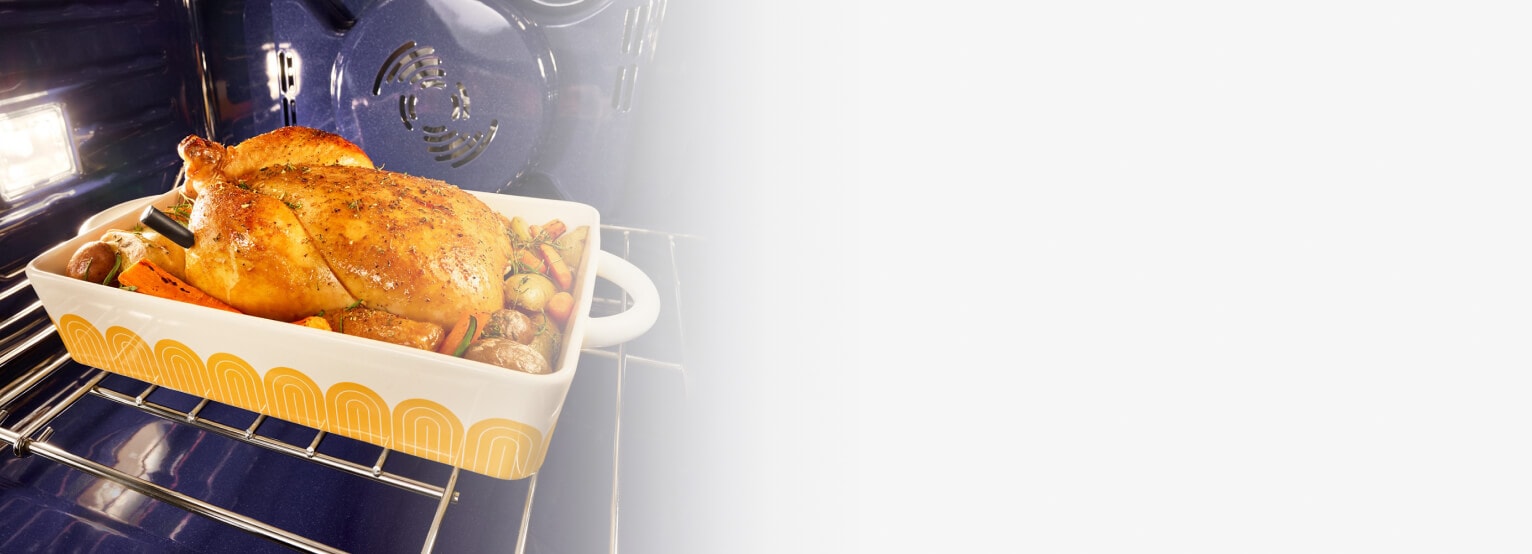
KitchenAid® Wall Ovens With Air Fry Mode
Get the crisp you crave
KitchenAid® wall ovens with Air Fry Mode circulate hot air around the included basket to cook with less oil.*
*When compared to deep frying.
Shop KitchenAid® wall ovens with air fry
On select models, KitchenAid® wall ovens and ranges help expand your creativity in the kitchen with cooking features designed for flexibility and precision. KitchenAid brand’s most precise Even-Heat™ True Convection is designed with a new cooking algorithm and a unique bow-tie design with a heating element and fan to circulate hot air throughout the entire oven, helping provide optimal temperatures for delicious baked goods, juicy roasts and flavorful vegetables. On other select KitchenAid® models, No Preheat Air Fry Mode uses heating elements and a fan to circulate hot air within the cavity, crisping and browning food with less oil.1 2
1. When compared to deep frying.
2. Dishwasher-safe basket sold separately.

Bake setting on an air fryer
Using the bake setting on a countertop air fryer is a convenient way to bake single-serve dishes or small batches without needing to preheat a full-sized oven. However, for larger portions like dozens of cupcakes or multiple loaves of bread, a traditional oven remains the ideal option.
What does the bake setting do on an air fryer?
The bake setting on an air fryer typically lowers the temperature inside the appliance from the typical air fry heat levels. Depending on the model of your air fryer, the bake setting may also eliminate the fan function or alternate between heating elements throughout the cook time.
When to use the bake setting on an air fryer
Air fryers are typically smaller than ovens, making them ideal for baking smaller portions of your favorite recipes, especially on warmer days when you don't want to heat up the kitchen by warming up a large oven. They're also great for reheating some kinds of leftovers without drying them out.

What to bake in an air fryer?
Baking in your air fryer is a simple alternative for recipes that might dry out under the intense heat of the standard air fry setting. This setting works well with recipes that have higher fat and moisture contents, like fruit-filled cakes or creamy casseroles.
You can also use your air fryer’s bake setting to create baked potatoes that have a delicious, crispy skin on the outside and are light and fluffy on the inside, or bake marinated salmon bites that have a subtle crunch to complement the flaky interior.
The bake setting can also help you elevate the texture of your tried-and-true banana bread recipe by creating a crisp outer crust while maintaining a moist and tender center. If you have a late-night sweet tooth, you can even bake small batches of cookies or a single-serve cheesecake in your air fryer.

Air fry vs. bake FAQs
Choosing between air frying and baking comes down to the specific food you’re cooking, the texture you want to achieve and how much time you have. Understanding their nuances can help you get the best results from your favorite recipes. Explore the frequently asked questions below to learn more about these two cooking settings.
Does the air fryer bake setting cook faster than the oven?
Because the bake setting on an air fryer functions slightly differently from an oven, and since air fryers are much smaller than full-size ovens, the bake times are often shorter. These appliances also typically heat up more quickly than a standard oven, so preheating may also take less time, if any at all.
Should you use air fry or bake for leftovers?
Use the air fry setting for leftovers like pizza, wings or fries to help restore their original crunch. Air frying removes moisture that accumulates during refrigeration, helping prevent sogginess. Use the bake setting for dense items like lasagna or casseroles to help ensure they heat evenly without drying out.
The air fryer is ideal for "starchy" or fried favorites like egg rolls, mozzarella sticks and tacos. Because it circulates super-heated dry air, it strips away the moisture that often makes refrigerated food soggy, heating from the outside in to restore a crispy exterior.
Choose the bake setting for foods with a consistent texture throughout, such as:
Pasta and Grains: Lasagna, baked ziti or rice dishes benefit from the slower, even heat of a bake cycle.
Proteins: Thick cuts of steak, pork chops or roasted chicken may be less likely to become rubbery when baked slowly at a moderate temperature.
- Baked Goods: Cookies, cakes and pastries benefit from the bake cycle.
Does air-fried food taste different from baked food?
Air-fried food often develops a crispier exterior than food cooked on a traditional bake setting because the rapid circulation of hot air promotes browning and surface crisping. Forced hot air in an air fryer helps foods brown quickly on the outside, creating more texture contrast than a standard baking cycle in an oven.
By comparison, bake mode uses gentler, steady heat, which is often better for foods like breads, cakes and delicate pastries that need even rising and a softer finish. Strong airflow can dry or firm the exterior too quickly on delicate baked goods, making traditional baking the better choice when a tender texture matters most.
Can you convert baking recipes to air fryer recipes?
Most baking recipes can be adapted for an air fryer with a few simple adjustments. A common starting point is to lower the temperature by 25°F and reduce the baking time by 20%-25%, since air fryers cook more quickly than traditional ovens.
Because air fryer models can vary in size and airflow strength, it’s best to check for doneness early and adjust as needed, especially when baking cookies, muffins or small cakes.
Is air frying healthier than baking?
Air frying is not necessarily healthier than baking, since both cooking methods use little to no oil compared with deep frying. The main difference is that air frying is designed to circulate hot air rapidly around the food, which helps remove surface moisture and create a crisp exterior, while baking typically uses gentler, steady heat.
Air frying may call for a light coating or spritz of oil to help promote browning and crisping. Bake settings can also be used with little or no oil, so the overall health impact often depends more on the recipe ingredients and how much oil is added than on the cooking mode itself.


Shop KitchenAid® ovens with air fry
Enjoy the versatility and flexibility of KitchenAid® wall ovens and ranges with air fry. Select KitchenAid® ranges are equipped with No Preheat Air Fry Mode, so you can save time and skip preheating while you get crispy and browned food and use less oil compared to traditional deep frying. A dishwasher-safe basket is sold separately.


Your subscription was successful
Thank you for signing up. Keep an eye on your inbox for our next newsletter.
Stay Connected – Join the List
Enjoy articles like this? Get helpful guides and appliance care tips sent straight to your inbox.

